2021
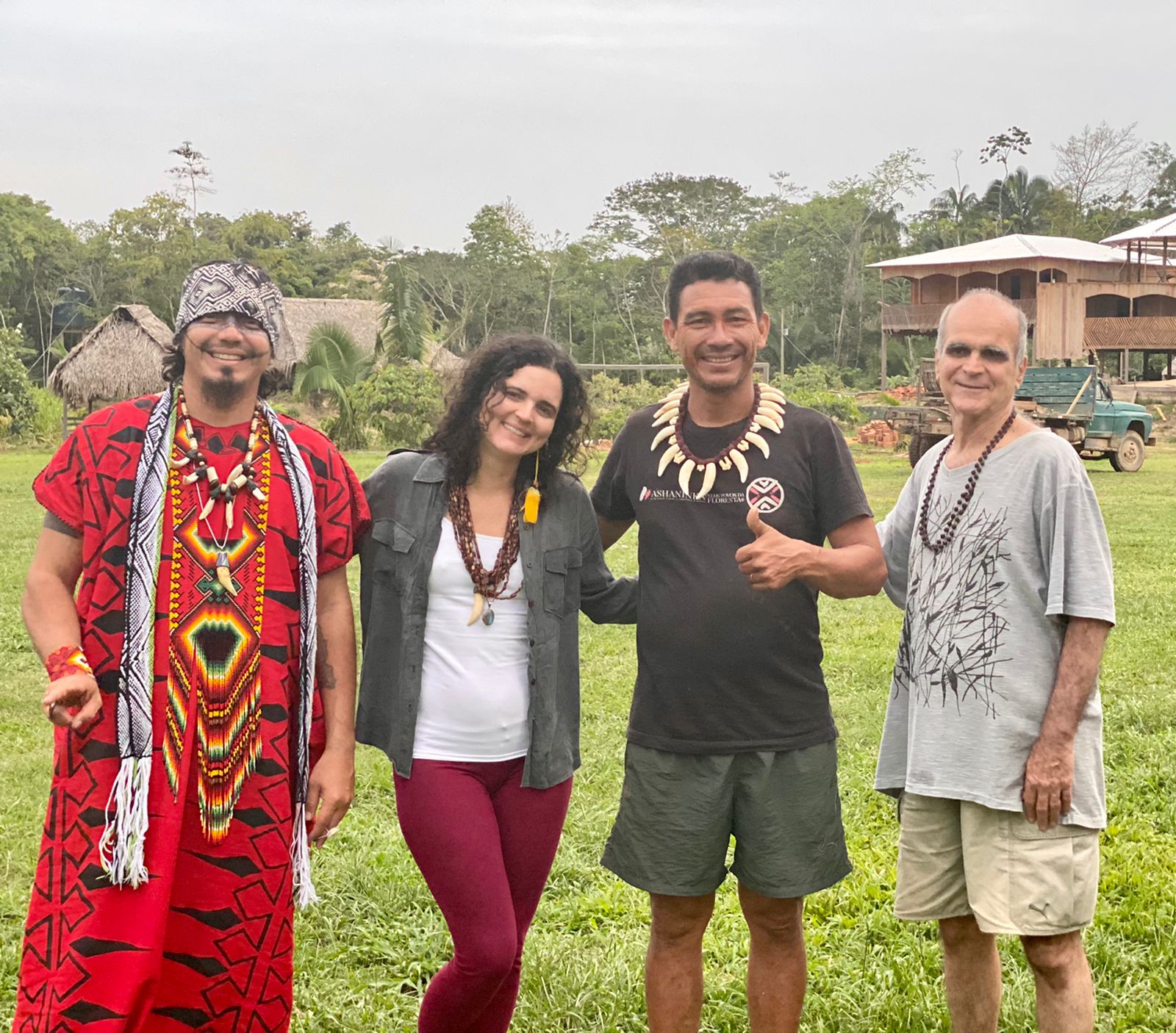
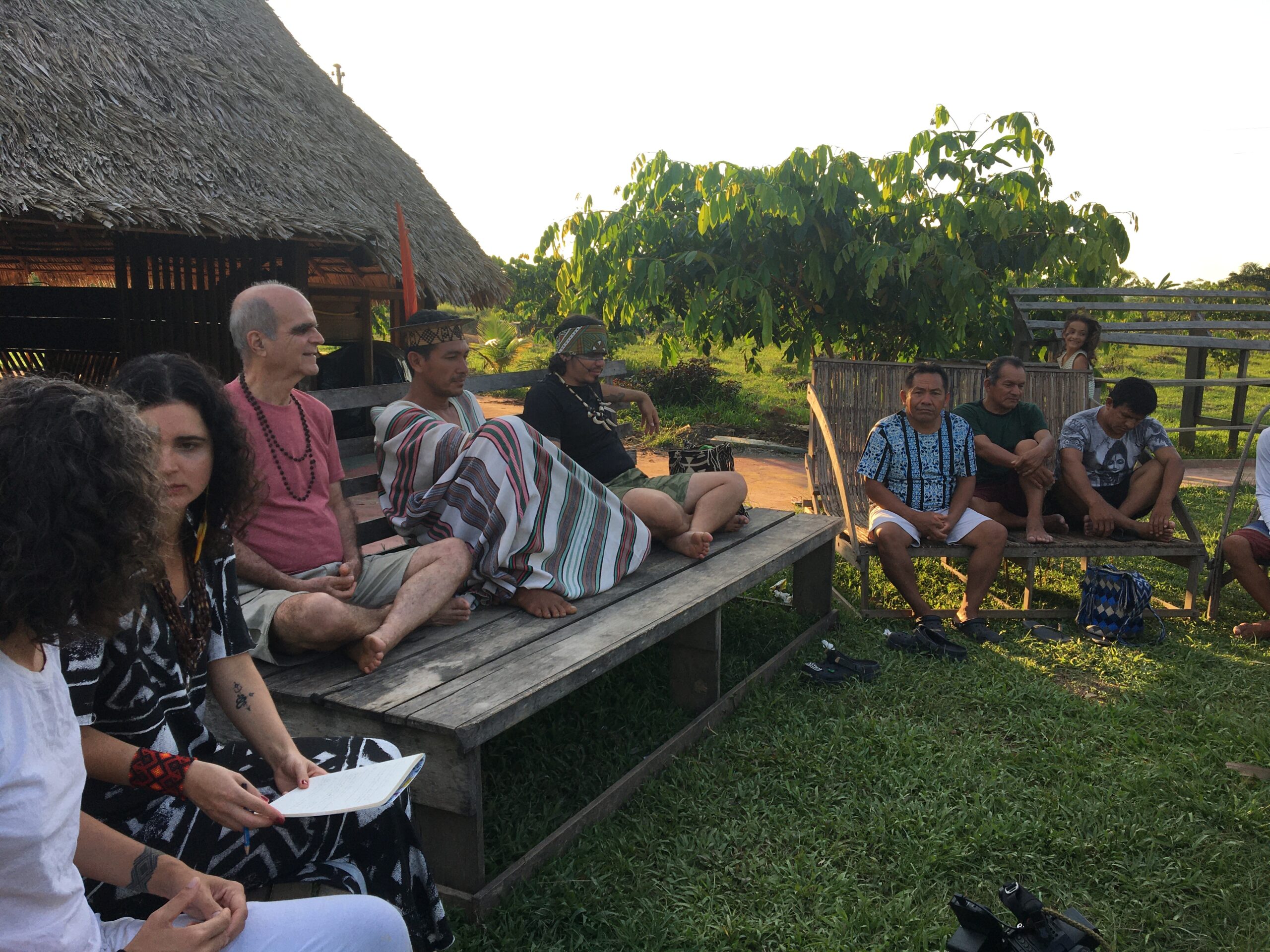
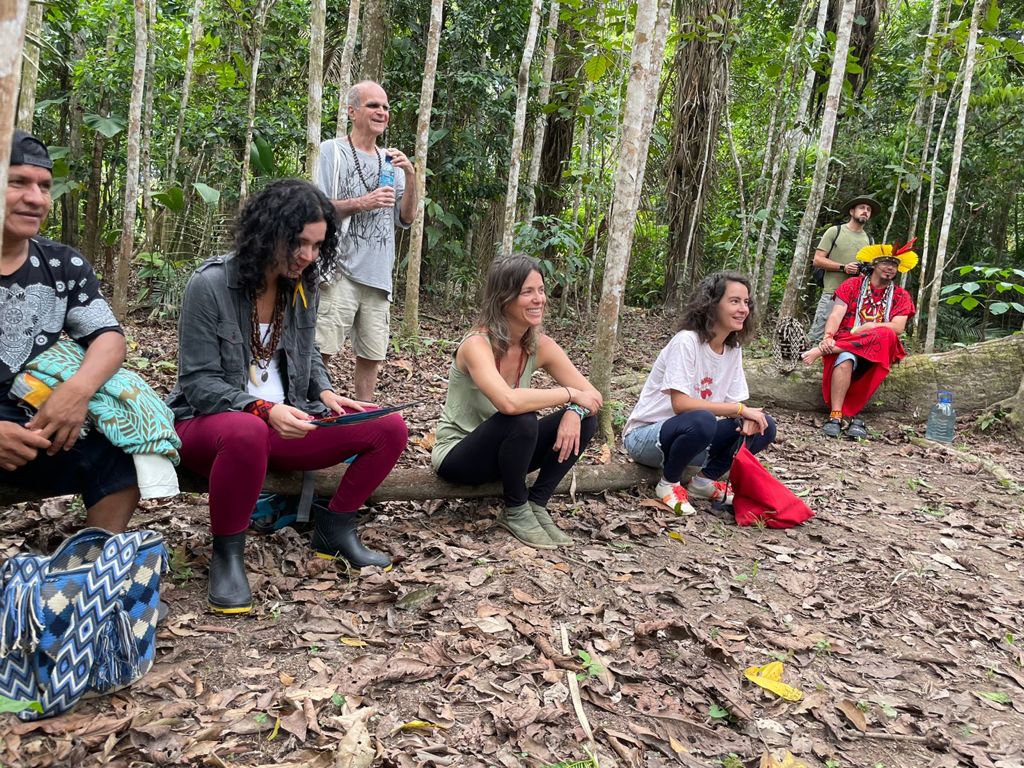
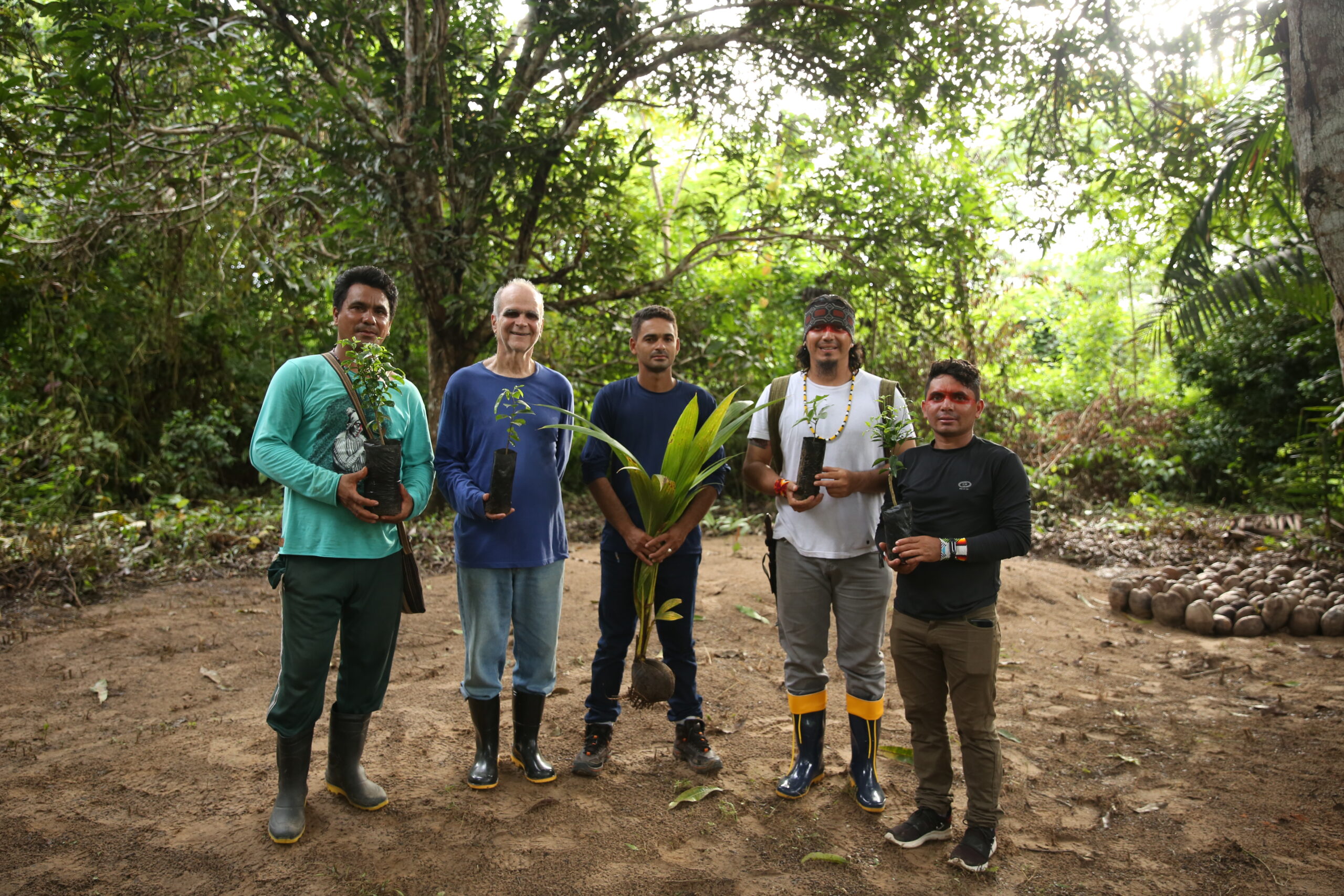
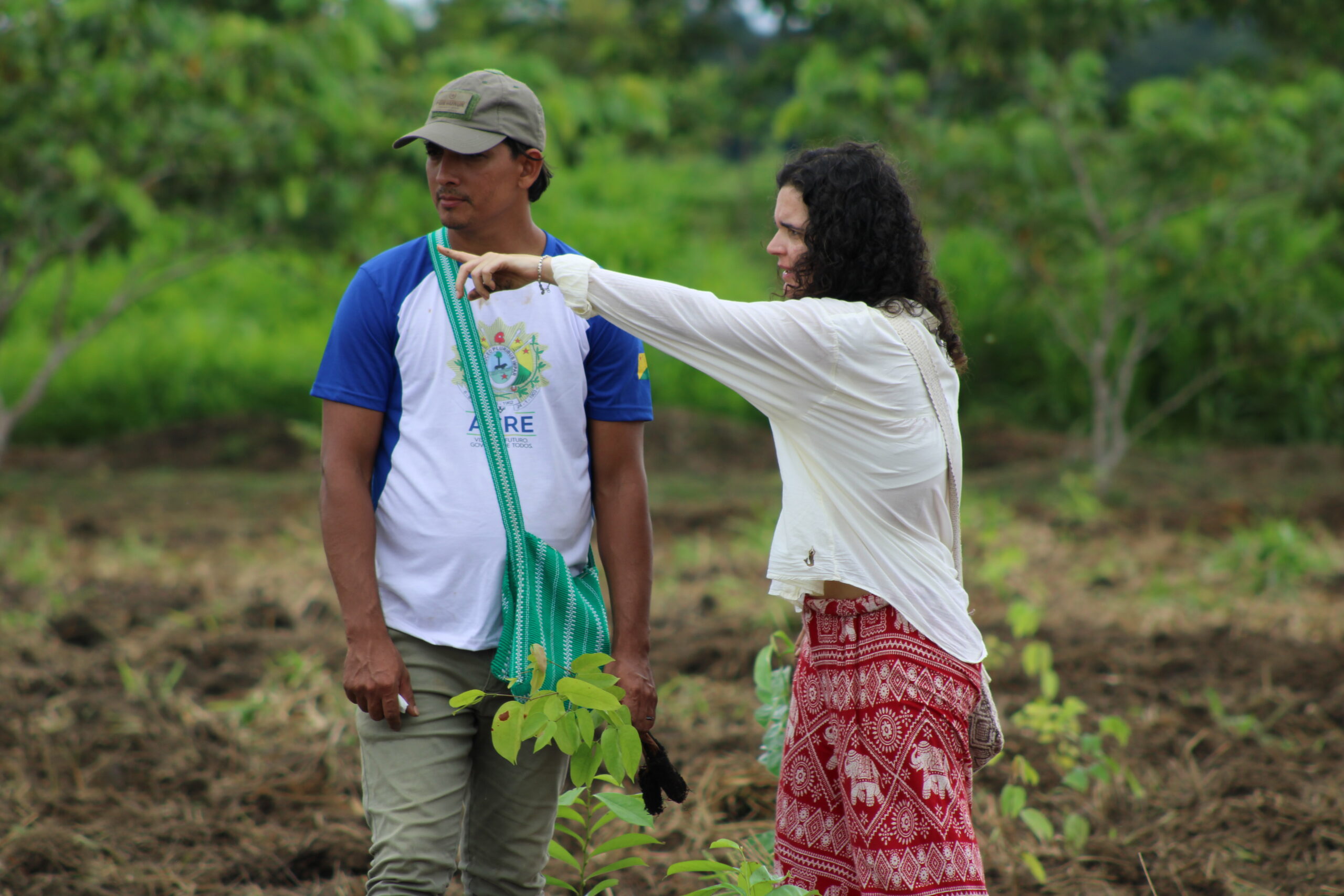
Launch of the Amazon Reforest Alliance and the promotion of knowledge exchange on agroforestry between the Ashaninka, Yawanawa peoples and the Alliance team.


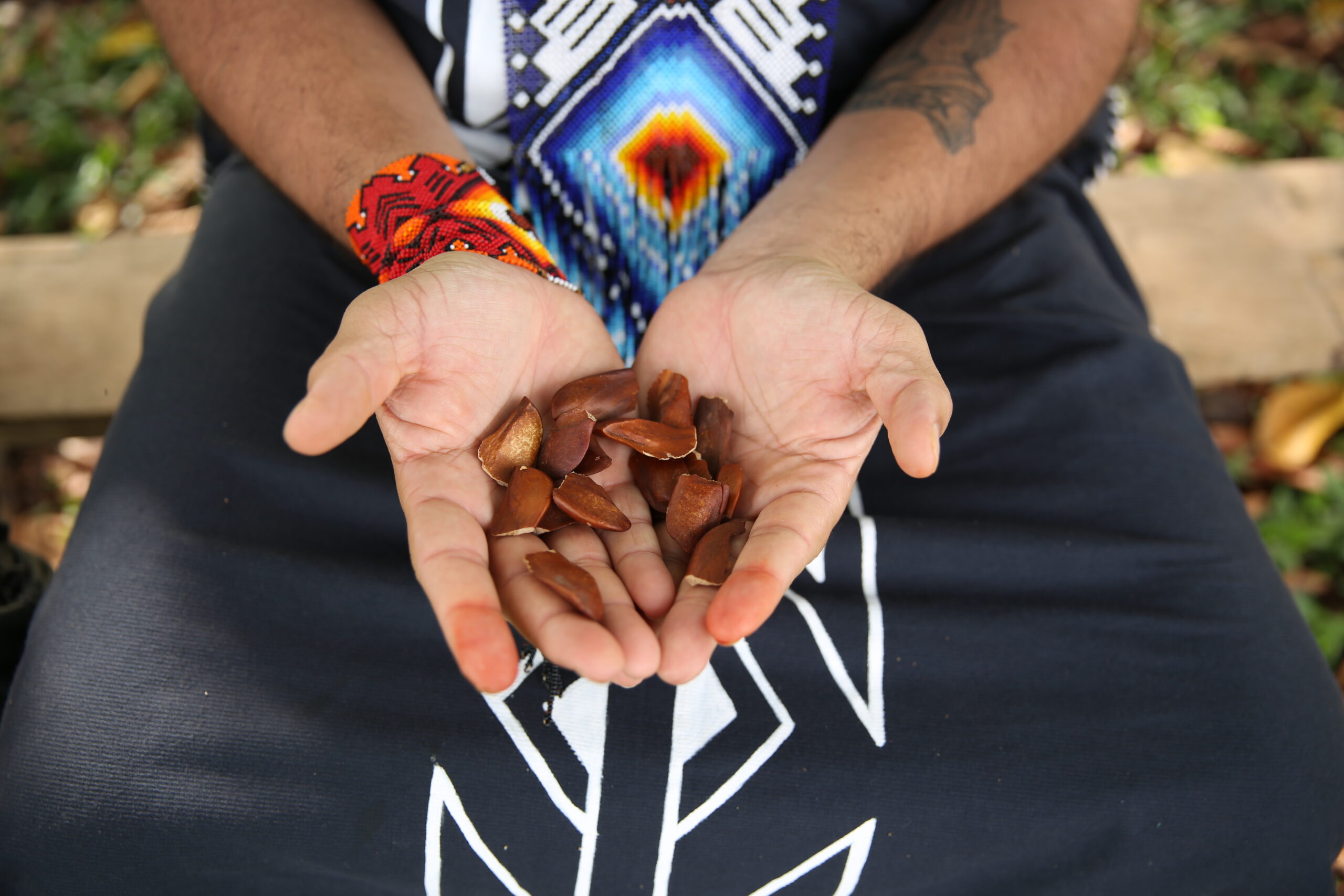
The Amazon Reforest Alliance is a non-profit association established from the awareness that our shared future is built through the actions we plant today. Since 2021, the Alliance has come together to implement reforestation programs using agroforestry techniques while also focusing on Indigenous planting methodologies in traditional Amazonian communities. Alongside the forest peoples we collaborate with, we have committed to restoring deforested areas and protecting the world’s critical biodiversity.
We connect local communities with individuals and organizations from diverse regions of Brazil and the world who recognize and value the importance of forests, creating an alliance dedicated to the recovery and expansion of biodiversity in the world's largest tropical forest—the Amazon. With professional capacity for implementation, management, and networking, we form collaborative alliances between forest peoples and individuals, companies, and organizations who share our vision and make this work possible.
Our goal is to restore degraded areas, generating significant positive environmental impacts and strengthening food security. We work directly with Indigenous and traditional communities, reinforcing a network that unites reforestation and cultural exchange. We value and promote the culture of forest peoples within all our programming.
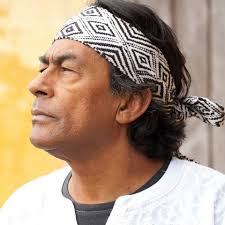
“Each tree planted is a healing patch on the surface of the Earth.”
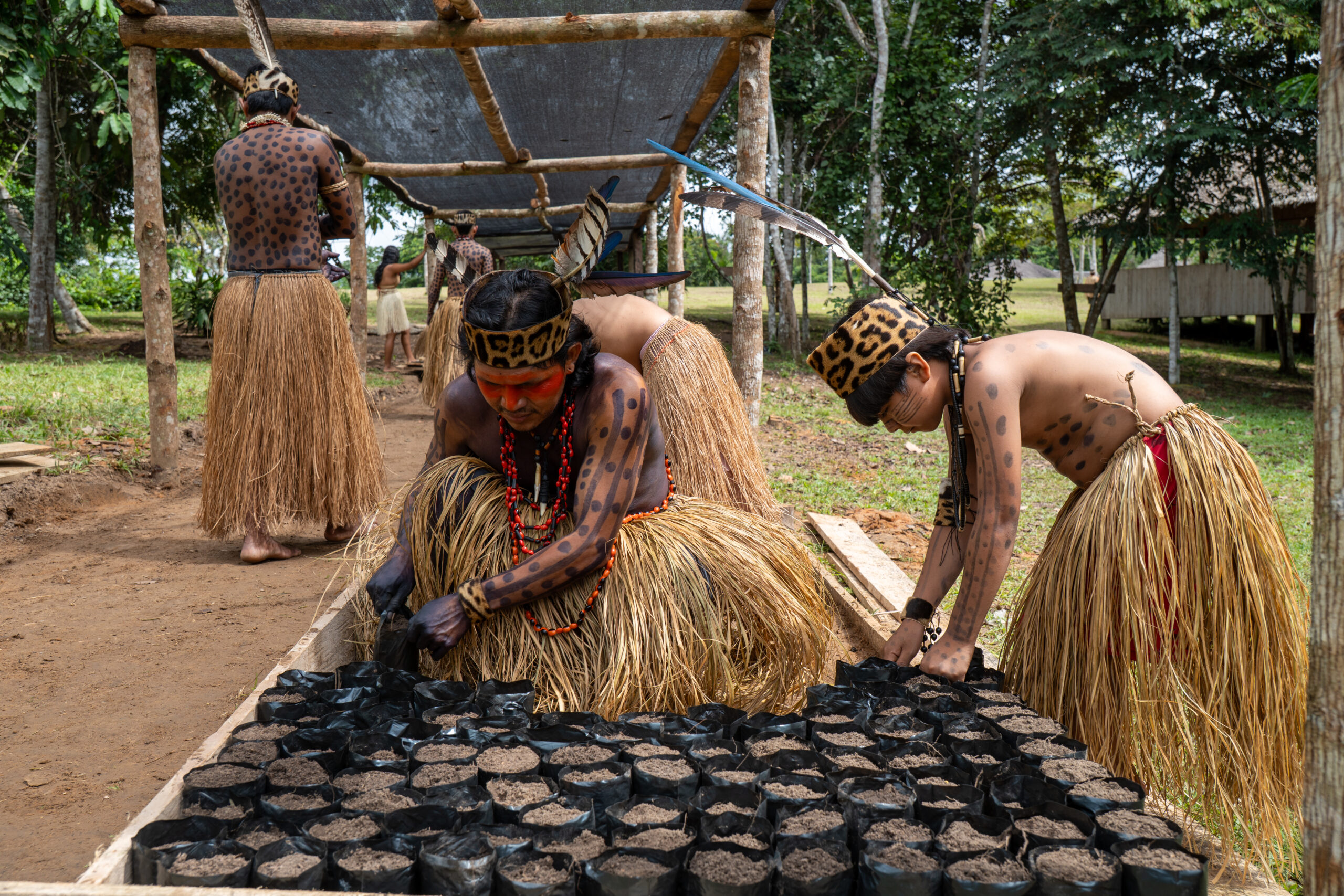
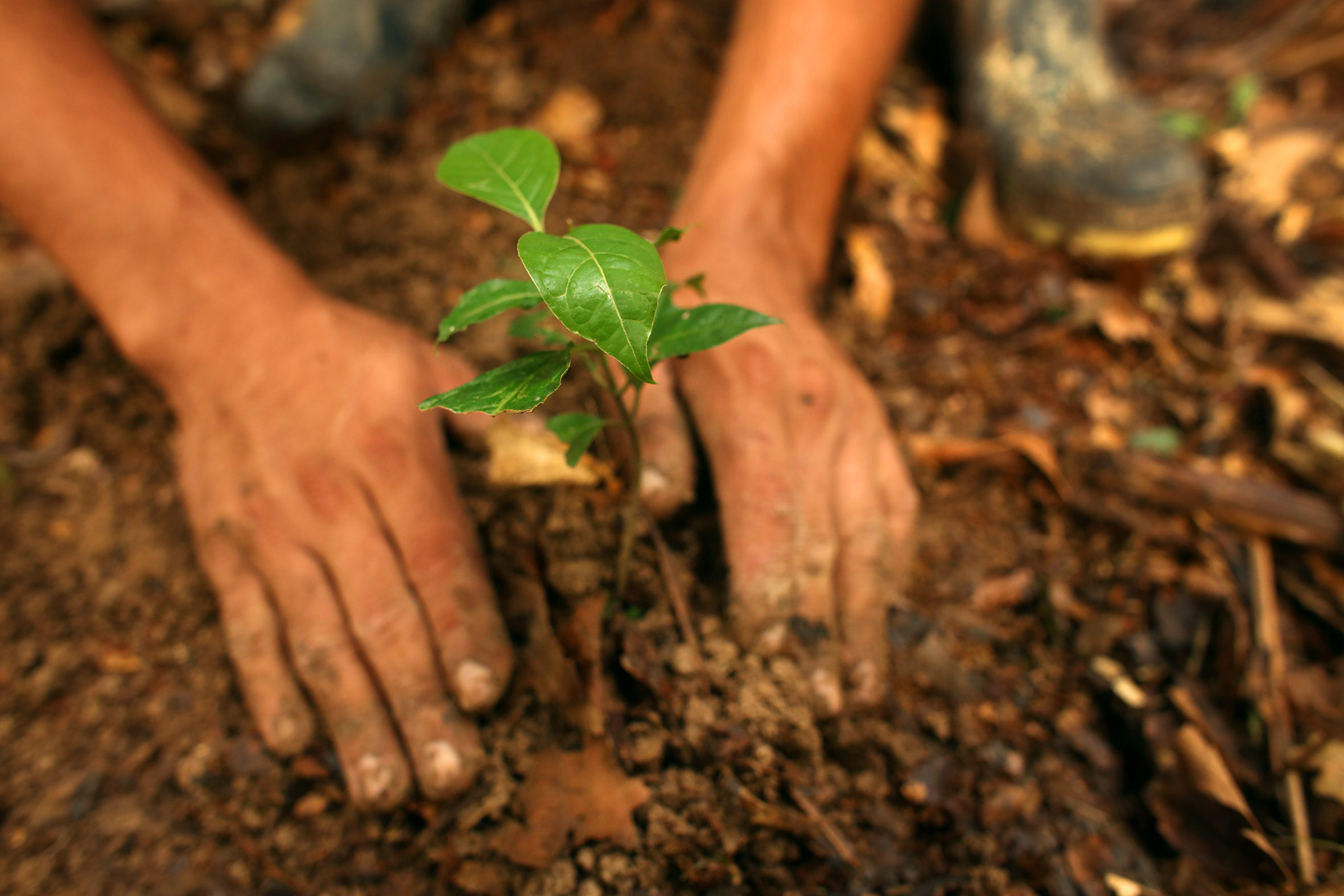
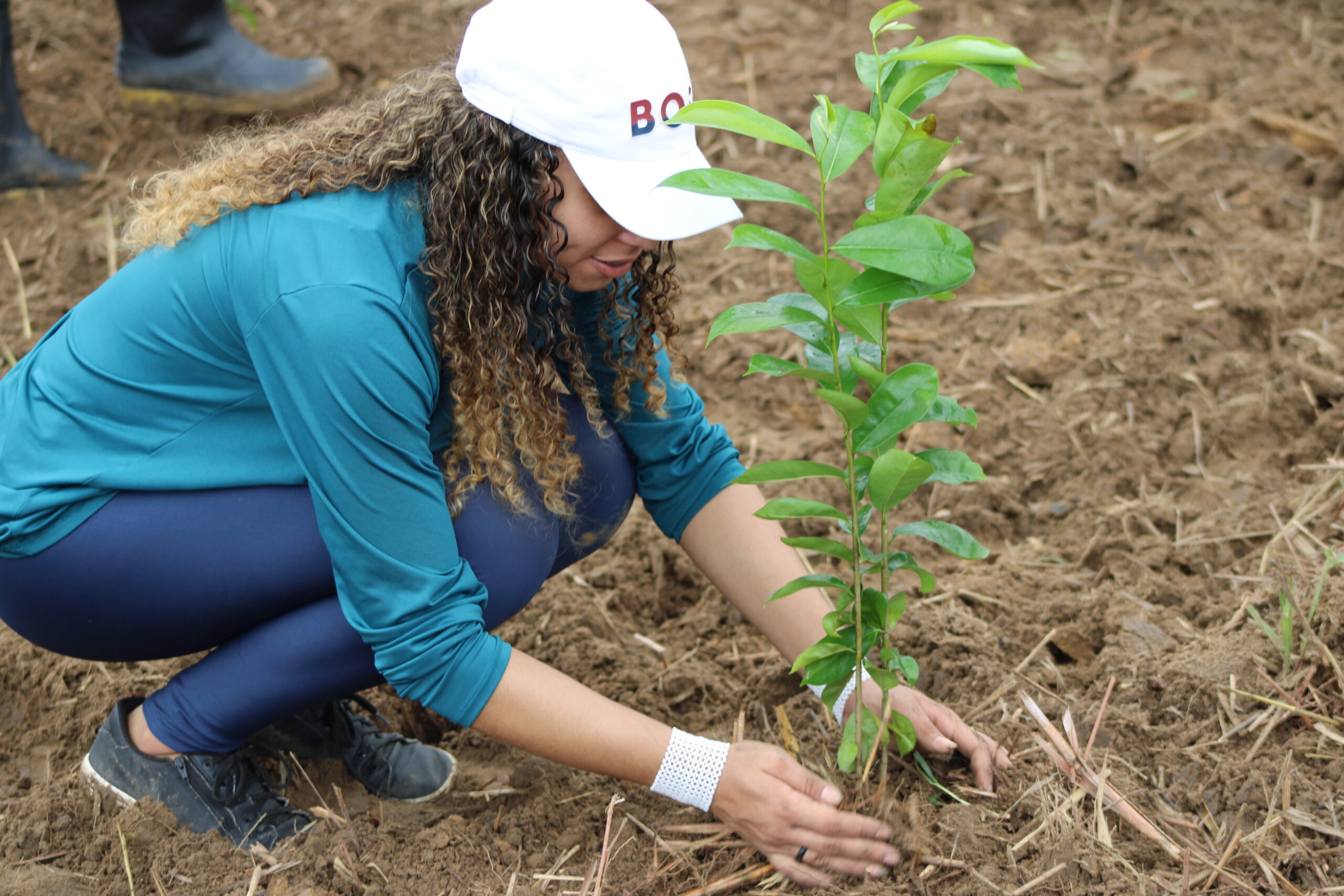
We restore degraded areas through plantings within Agroforestry Systems. This work is carried out in partnership with forest peoples, with whom we collectively identify local needs and organize action plans for seed collection, nursery construction, agroforestry planting, and ongoing monitoring.
We believe that reforesting through agroforestry is one of the most vital missions of our time, as it brings together environmental restoration, food security, social justice, and climate resilience.
Unlike conventional reforestation, agroforestry— coming from an Indigenous perspective—values both biological and cultural diversity. In addition to restoring degraded lands, it produces food, fibers, and medicinal plants that are integral to local indigenous people's traditional knowledge systems.
In today’s context of climate change, natural resources scarcity, and accelerated biodiversity loss, Agroforestry Systems offer regenerative solutions, demonstrating that it is possible to heal the Earth while caring for people.
The Amazon Reforest Alliance stands out for following ancestral methodologies of forest regeneration while also fostering a network of exchange among Indigenous, riverside, and communities that earn their livelihoods from the forest. We value the forest culture and support traditional cultural practices that strengthen community governance and sustain a harmonious relationship between people and nature.
Our initiatives directly contribute to the United Nations Sustainable Development Goals (SDGs) — particularly SDGs 1, 2, 3, 8, 12, 13, 15, and 17 — aligning with the UN's 2030 Agenda as well as the Intergovernmental Panel on Climate Change (IPPC) and UN recommendations to prioritize forest restoration throughout this decade.
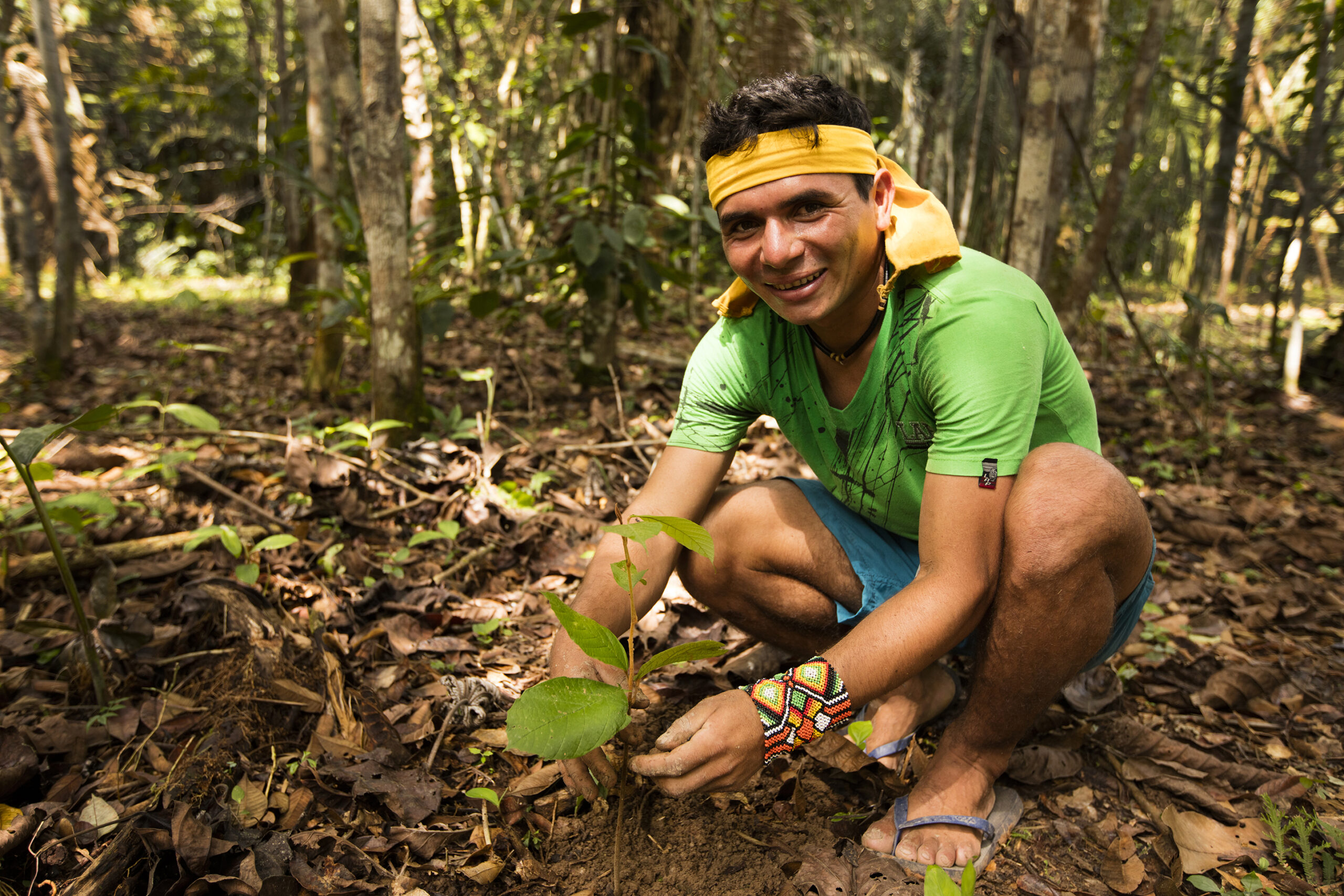
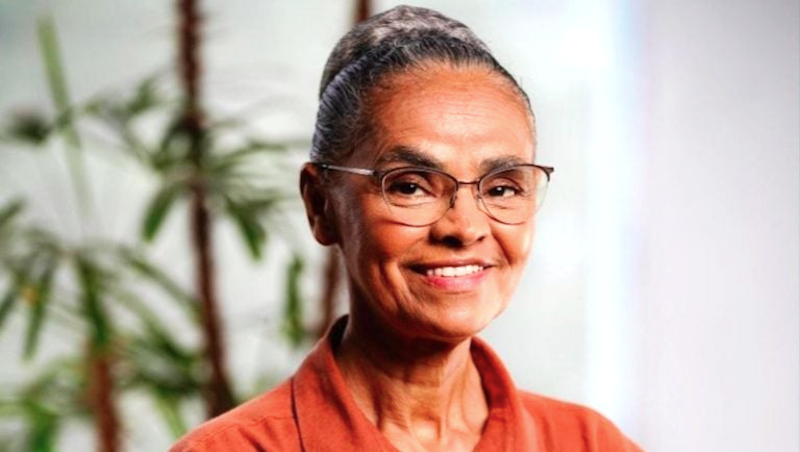
“More and more, beyond care and preservation, I see the importance of restoring areas that have been devastated. Reforestation is essential.”
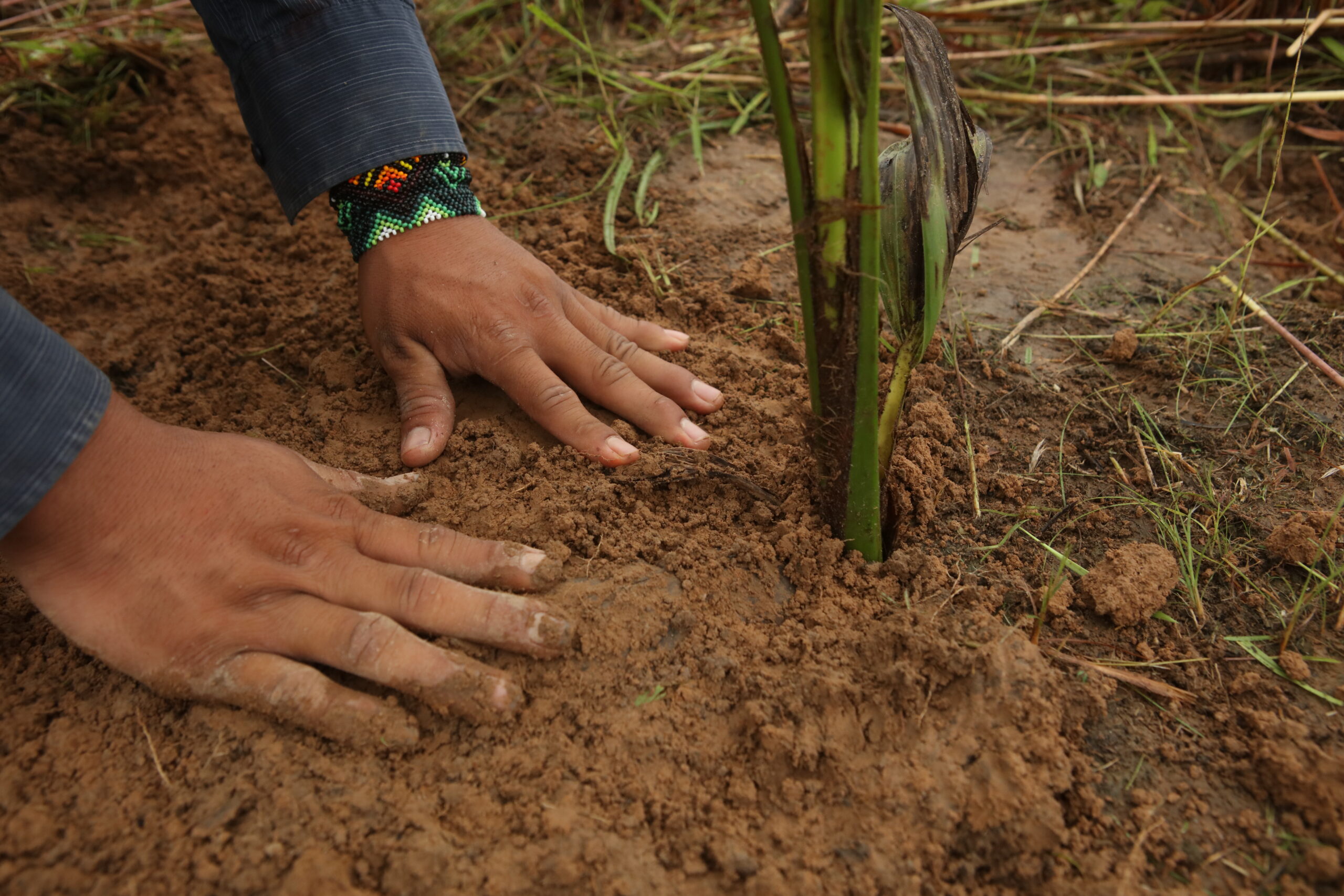
Each project follows its own methodology to create and sustain reforestation within its territories, guided by the following steps:
As many Indigenous leaders affirm, they do not merely live in the forest — they are the forest.
It is these ancestral peoples who have known and cared for their territories for generations who are the true guardians of the forest.
The Amazon Reforest Alliance has successfully collaborated with representatives of the Ashaninka, Kuntanawa, Nawa, Nukini, Puyanawa, and Yawanawa peoples.
The largest tropical forest on Earth spans nine countries and plays a crucial role in climate balance.
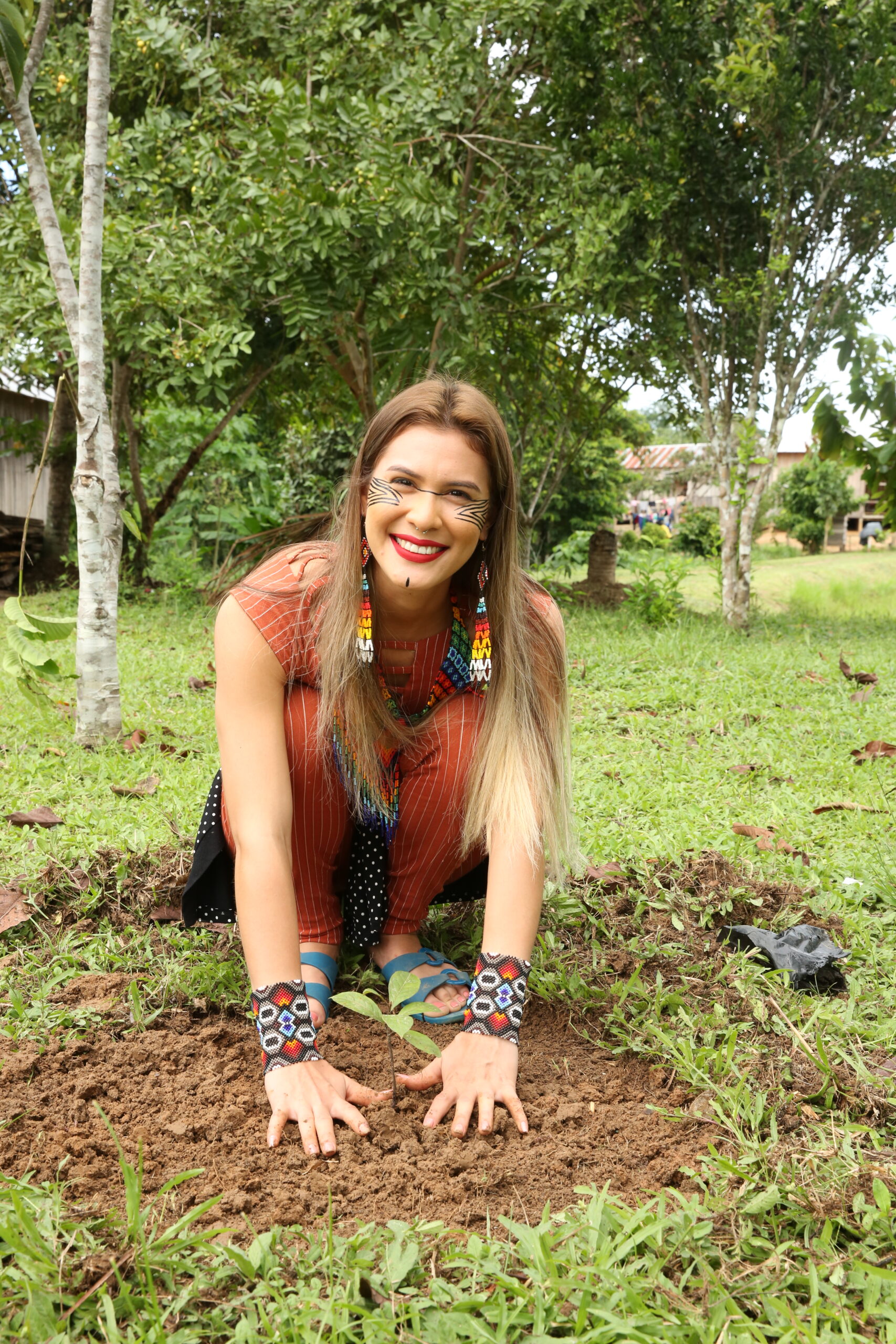
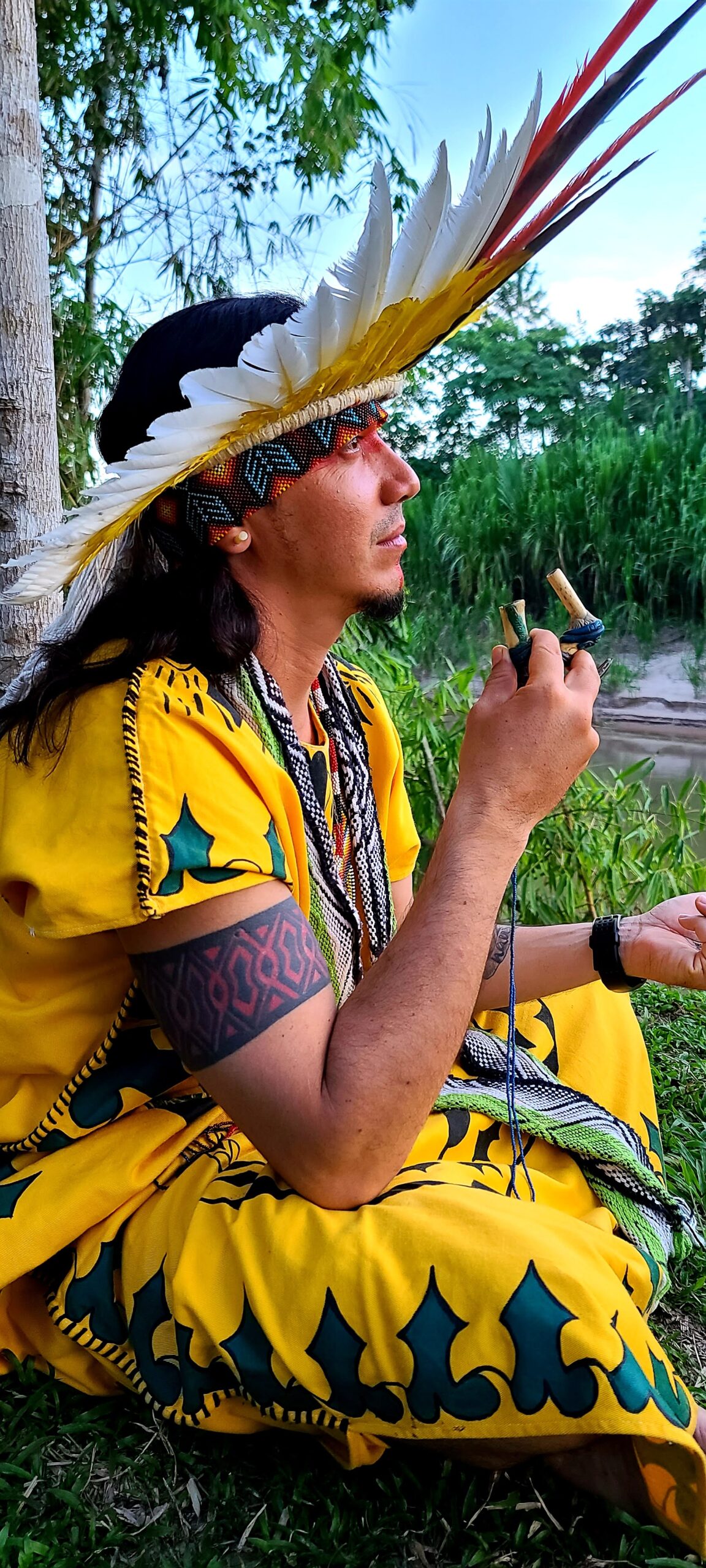
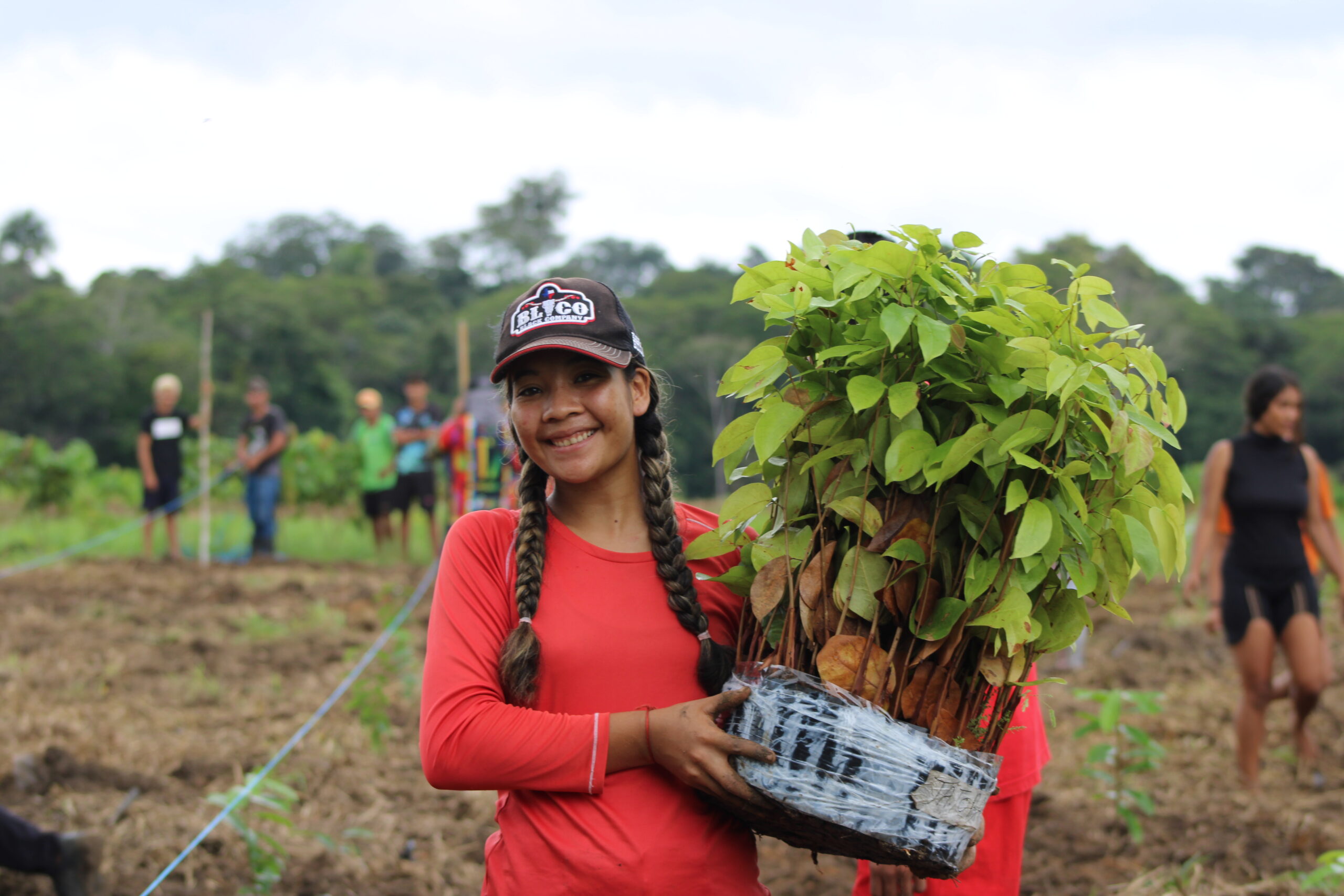
Launch of the Amazon Reforest Alliance and the promotion of knowledge exchange on agroforestry between the Ashaninka, Yawanawa peoples and the Alliance team.
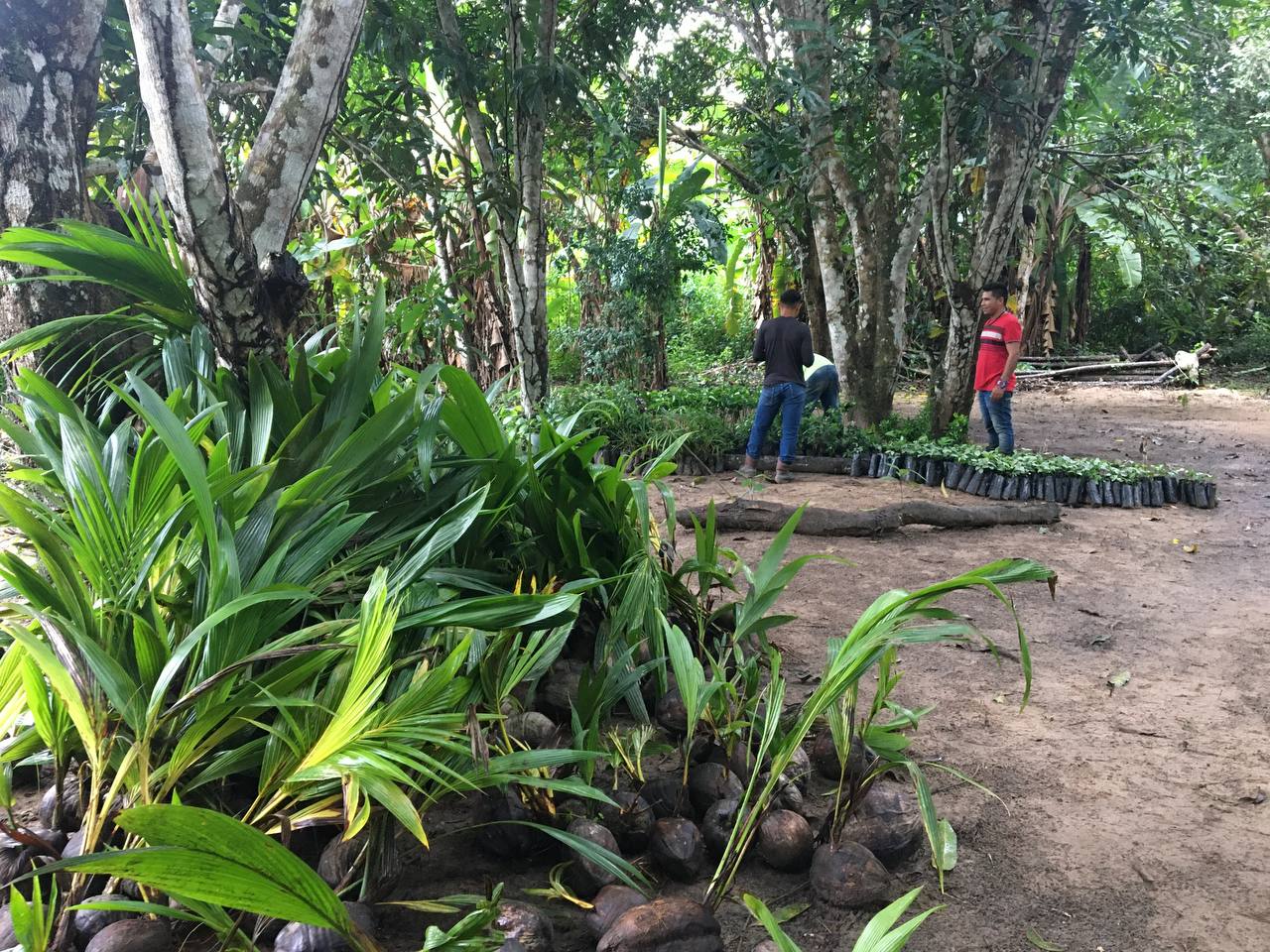
Creation of a nursery, training in seed collection, and planting of 5,722 trees in Nova Esperança Village (Yawanawa Indigenous Territory), in partnership with Energisa.
Planting of 6,242 trees in Ipiranga Village (Puyanawa Indigenous Territory), in partnership with the Inochi Foundation.
Maintenance and care of reforested areas. Study of the social impacts of the initiative in the Puyanawa community.
Planting of 6,575 trees in Ipiranga Village (Puyanawa Indigenous Territory), in partnership with the Inochi Foundation.
Expansion of actions for the Nukini people.
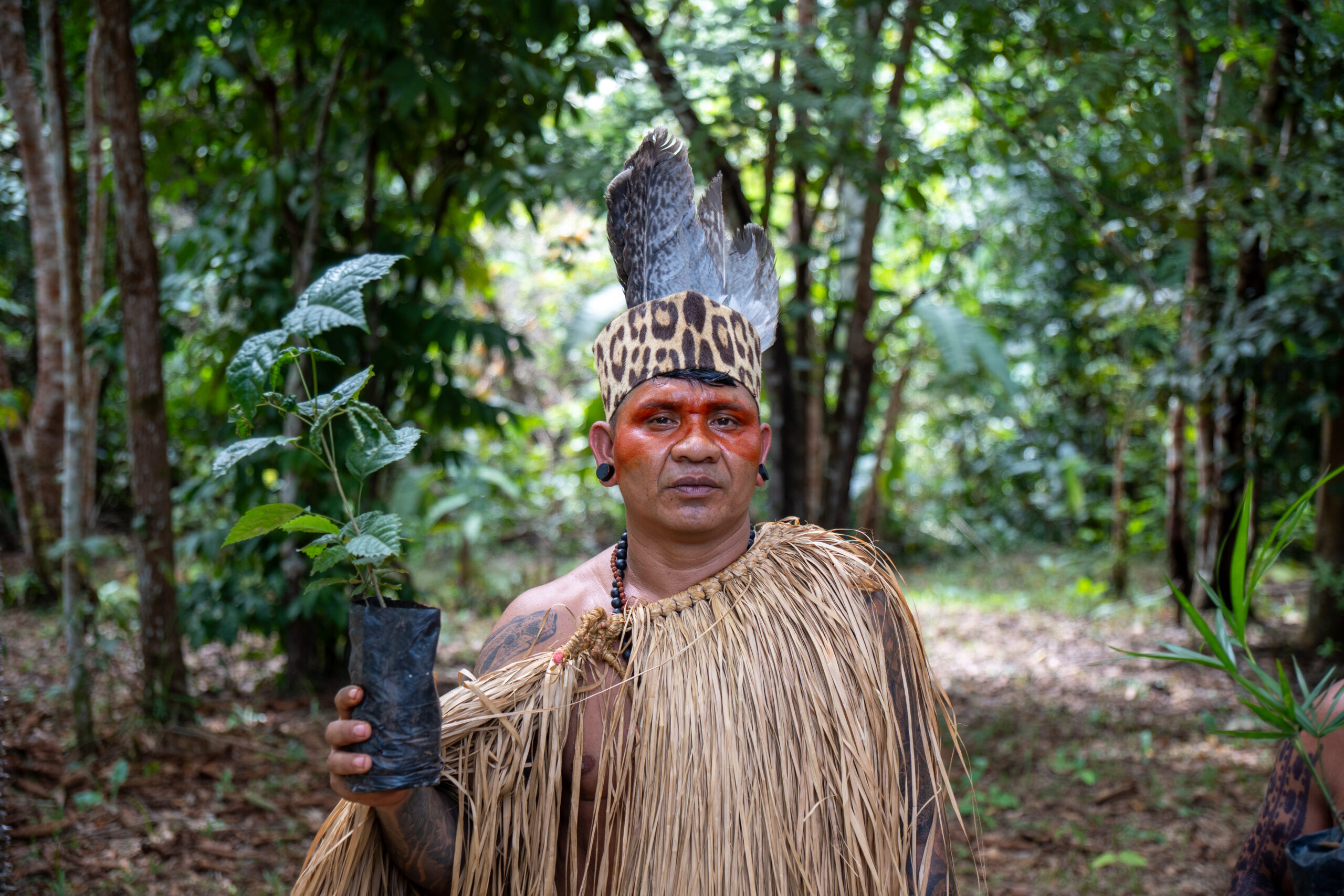
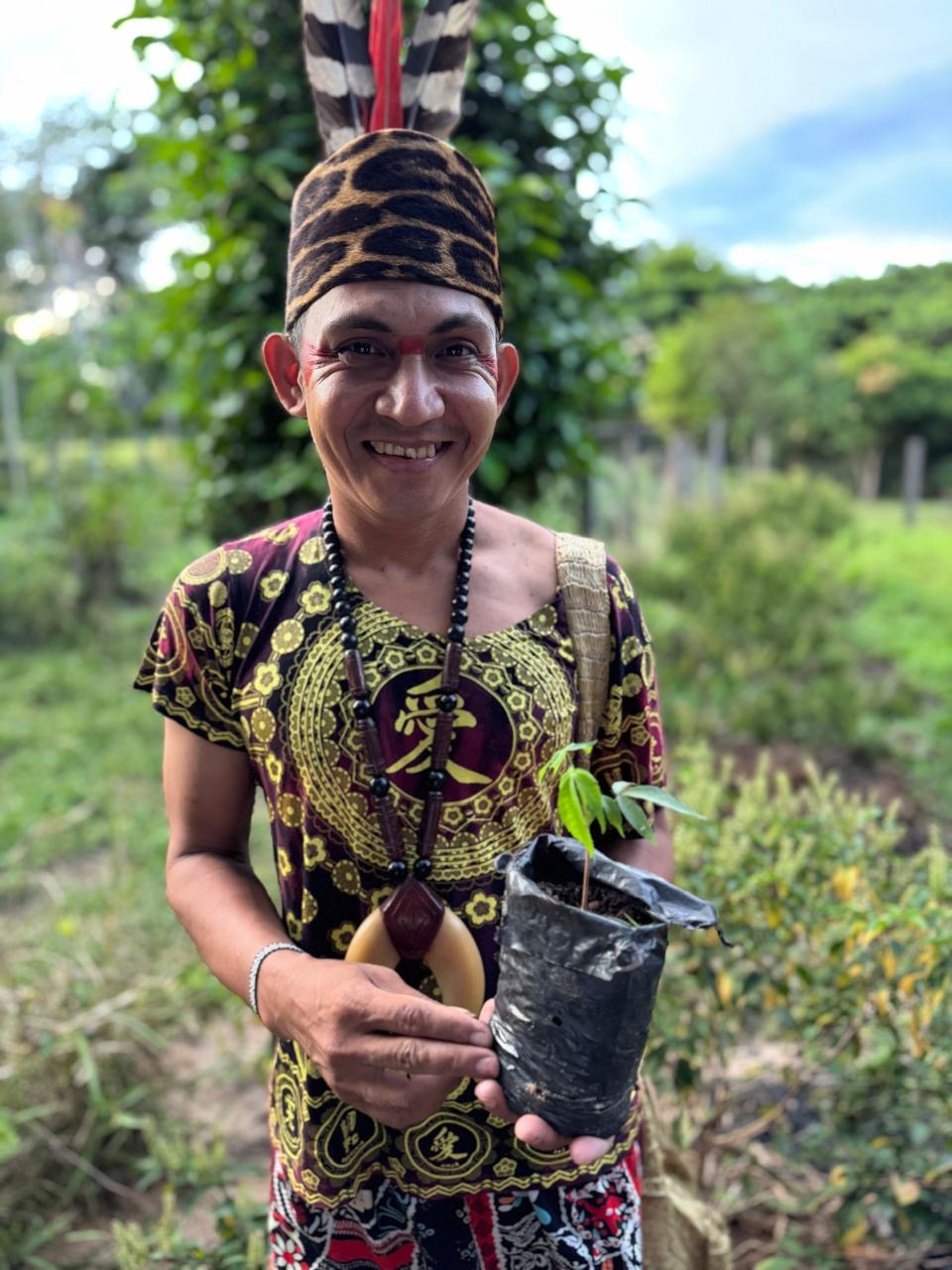
This successful experience was shared with the Aliança Reflorestar team and a Yawanawa delegation from the Nova Esperança Village, led by Chief Isku Kua.
In 2022, we established an alliance between the Nova Esperança Village, located in Yawanawa Indigenous Land, and the company Energisa. From this collaboration, we achieved the following results:
The planting efforts brought together the knowledge and work of members of the Yorenka Tasorentsi Institute, residents of the Nova Esperança Yawanawa Village, and Puyanawa Indigenous peoples, who supplied the seedlings.
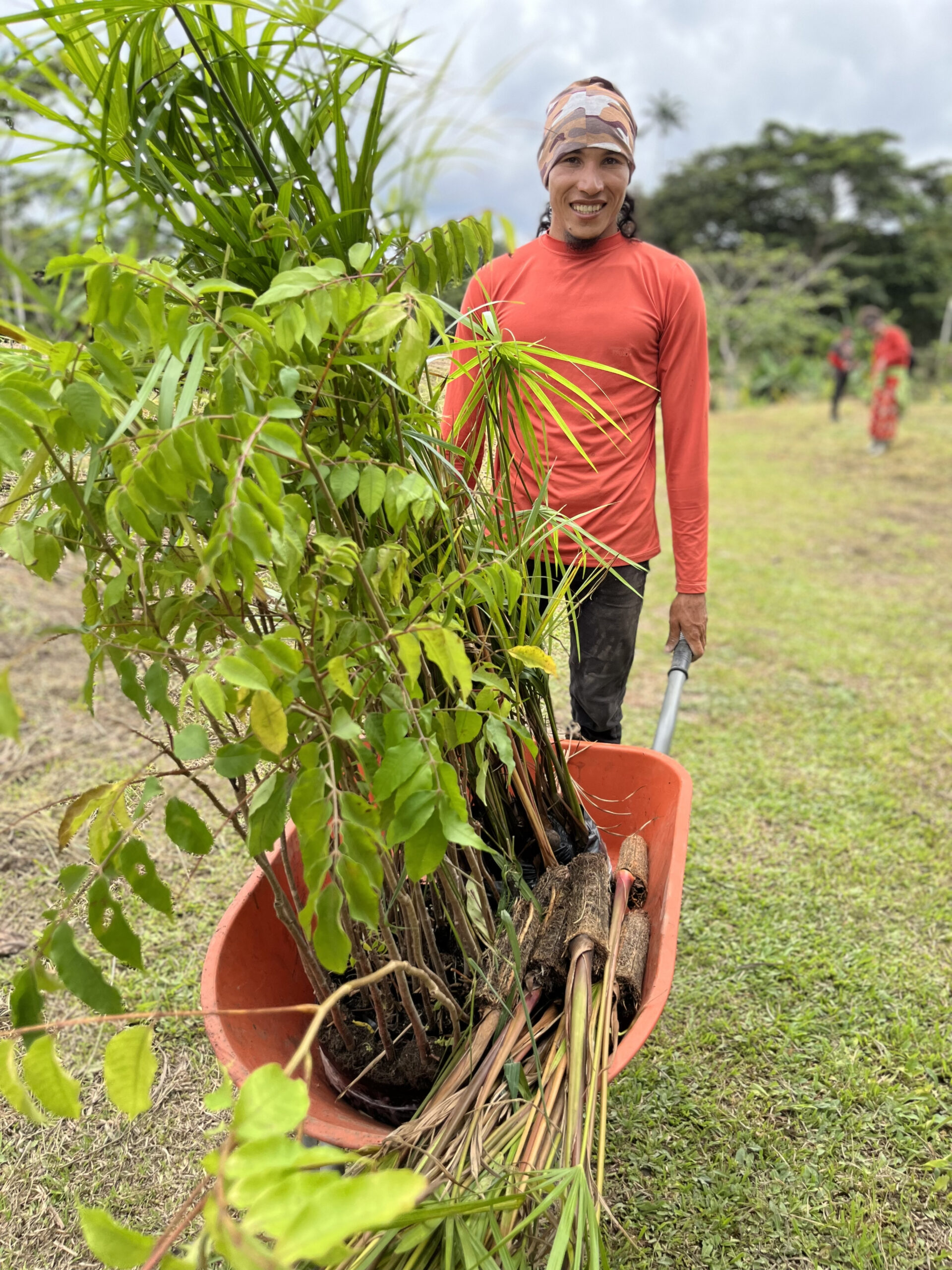
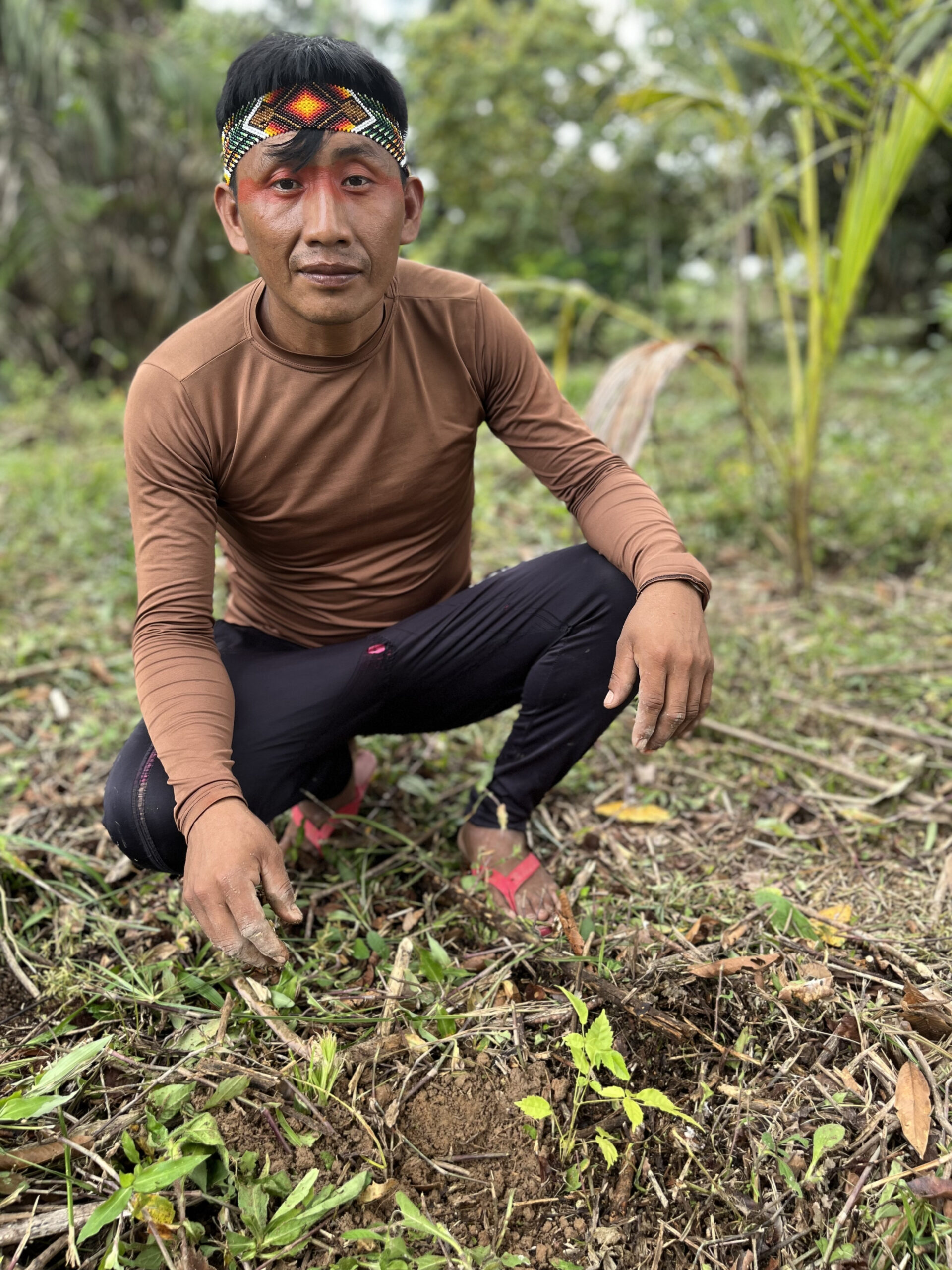
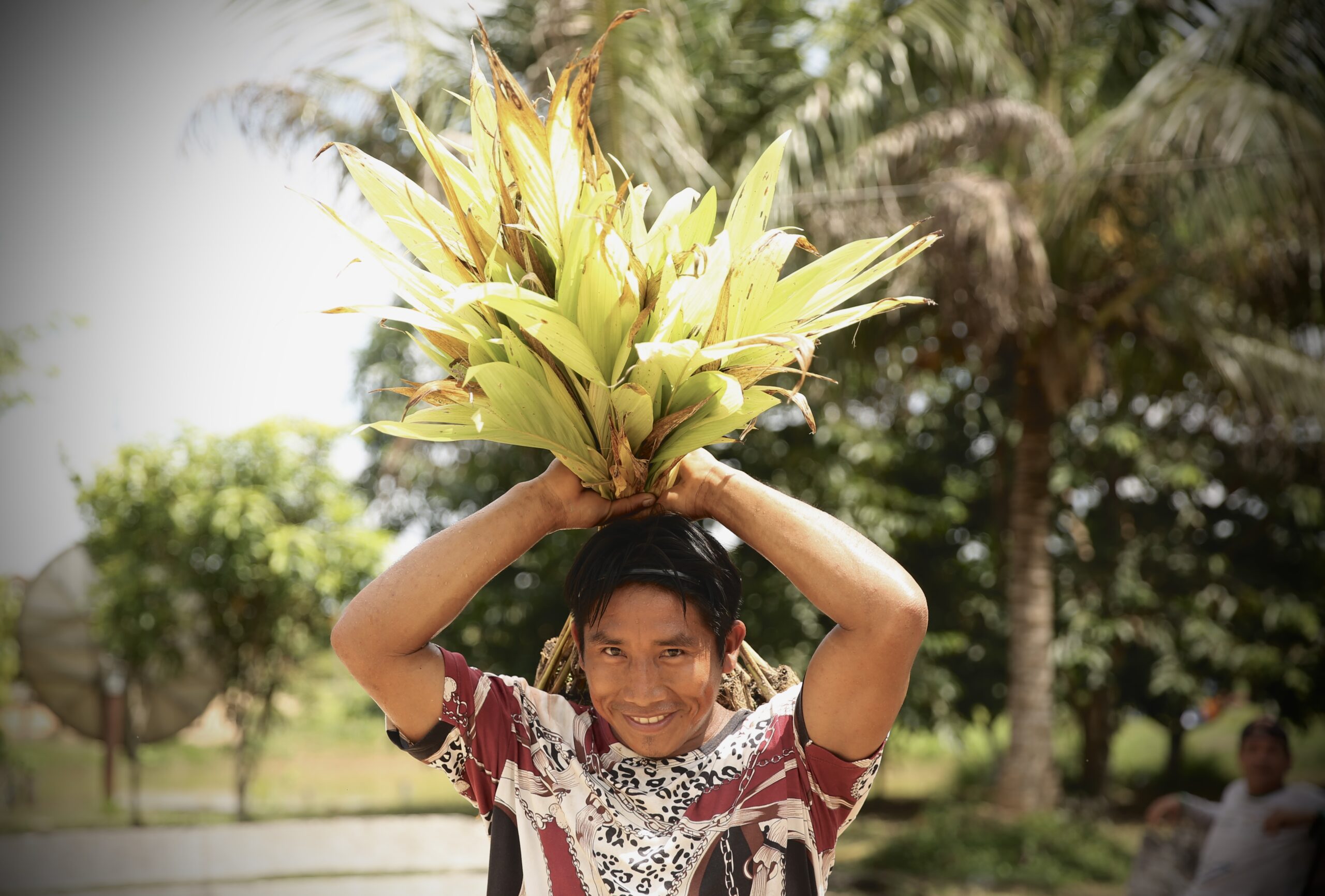
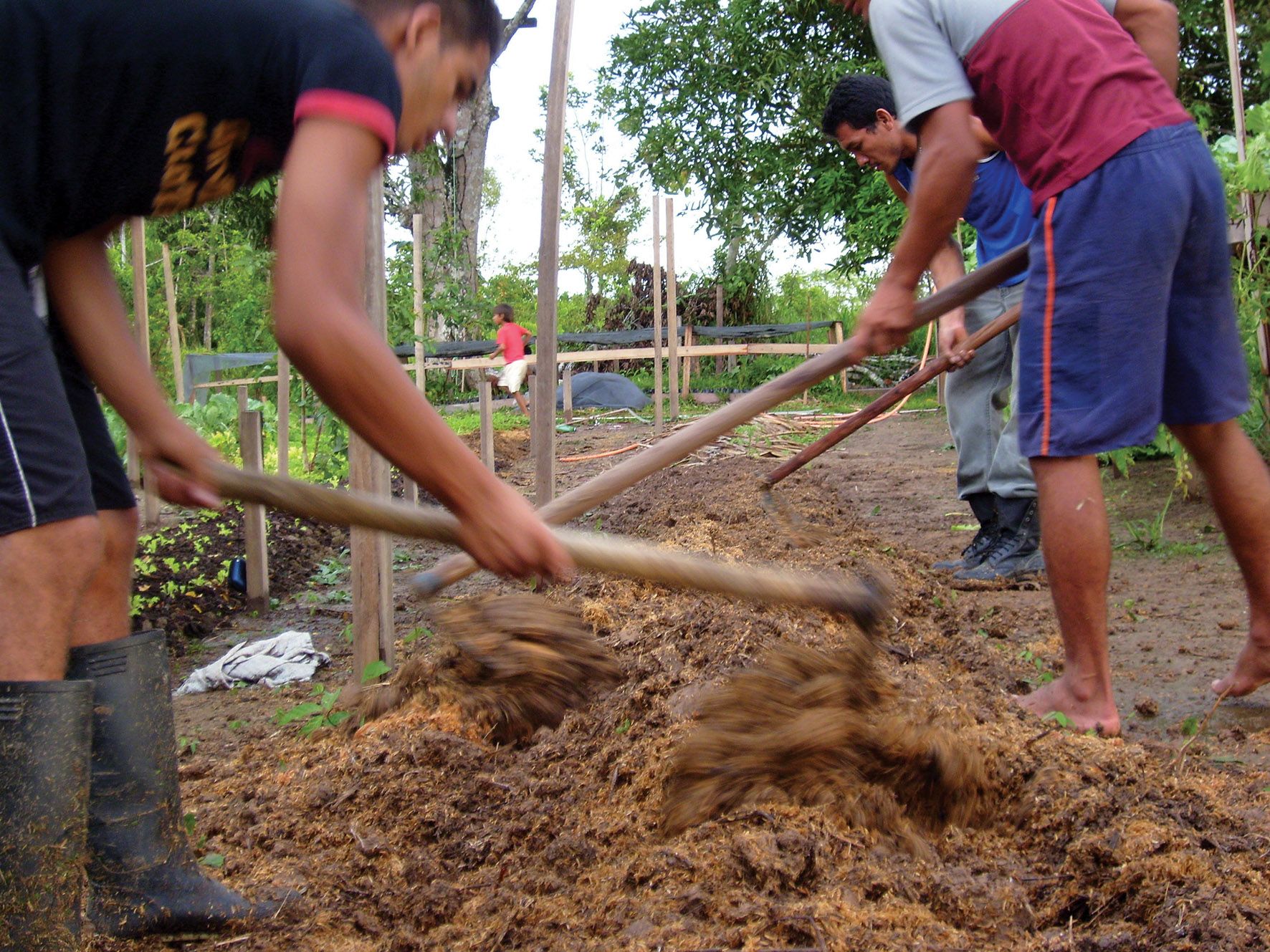
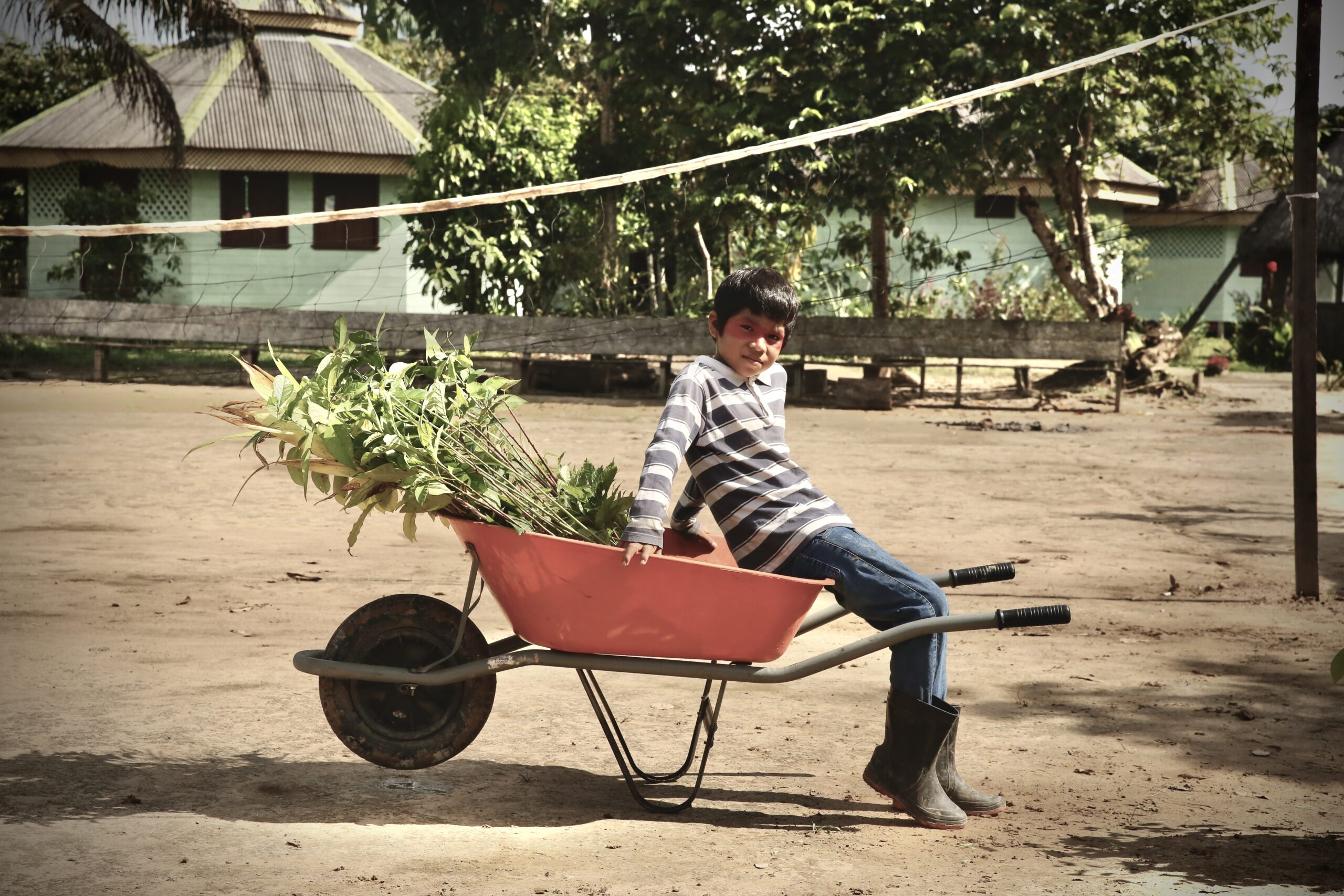
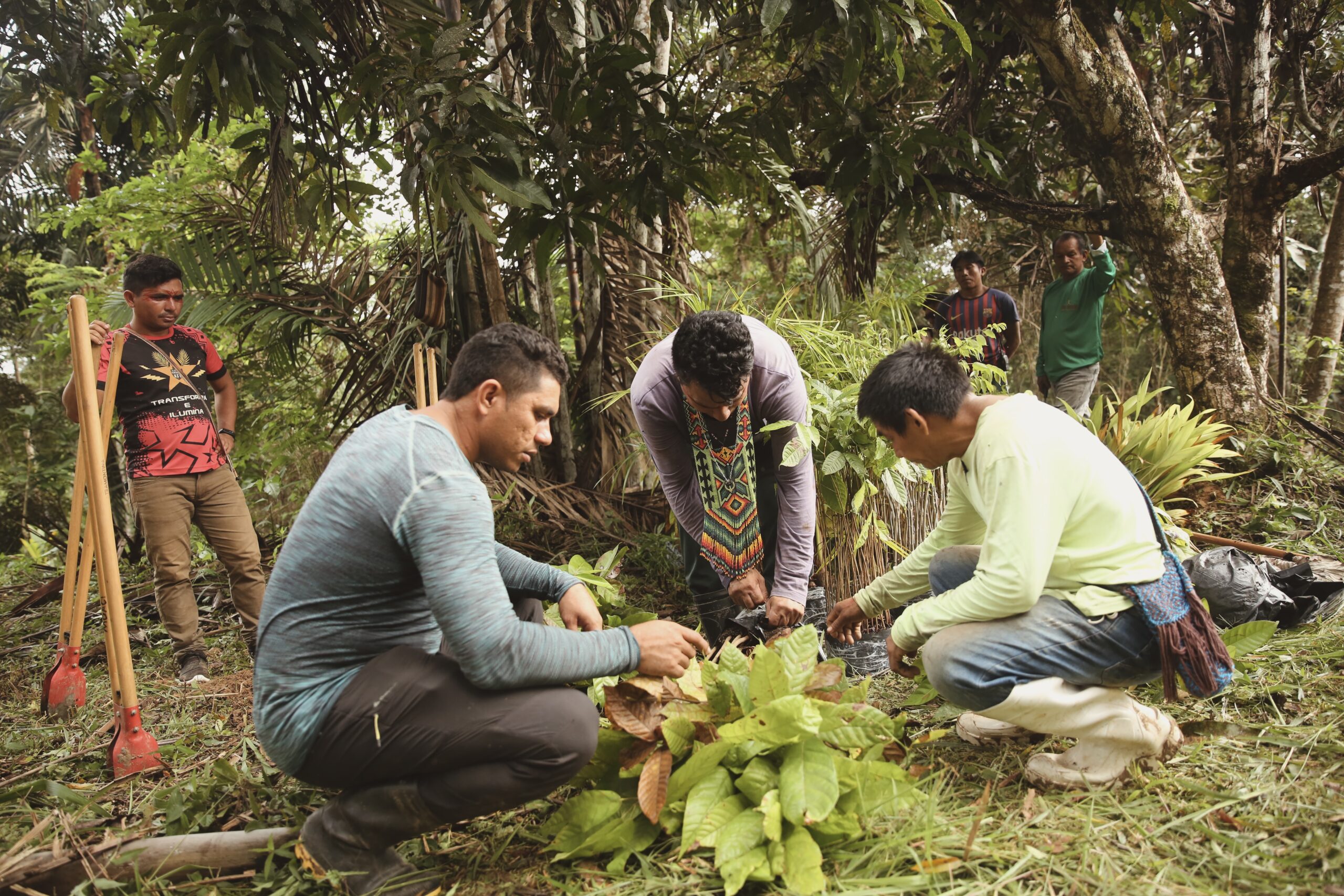
Between 2022 and 2025, we established an alliance between the Ewete Pindu Center, located in the Puyanawa Indigenous Land, and the International INOCHI environmental organization, based in California.
Through a global collaborative campaign conceived by Buddhist author, artist and teacher, and INOCHI Co-Founder Sensei Kazuaki Tanahashi, and supported by the Natureza Karuna Foundation and O Lugar Institute, we brought together more than 500 people around the world to financially support the initiative. From this collective effort, we have achieved the following results:
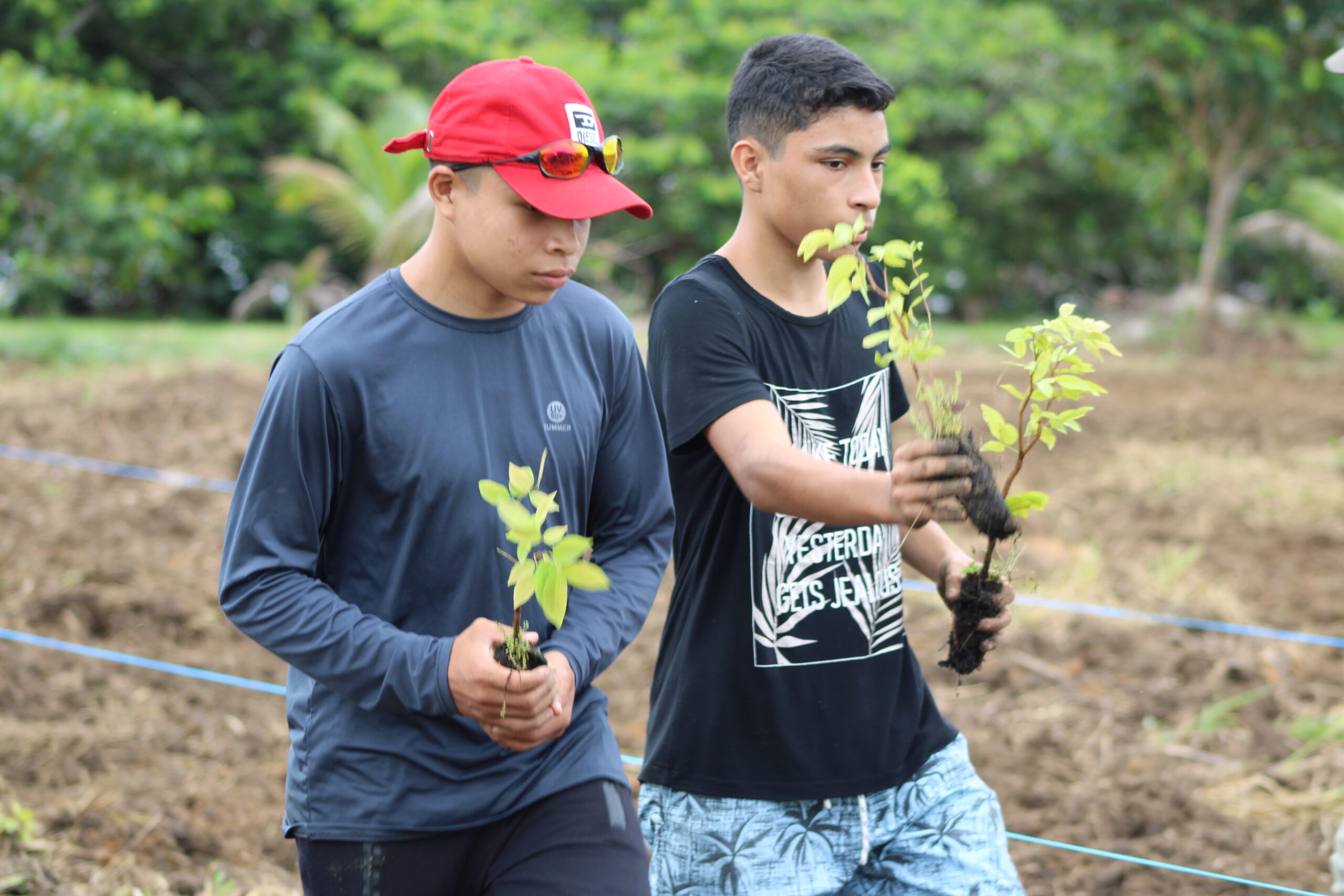
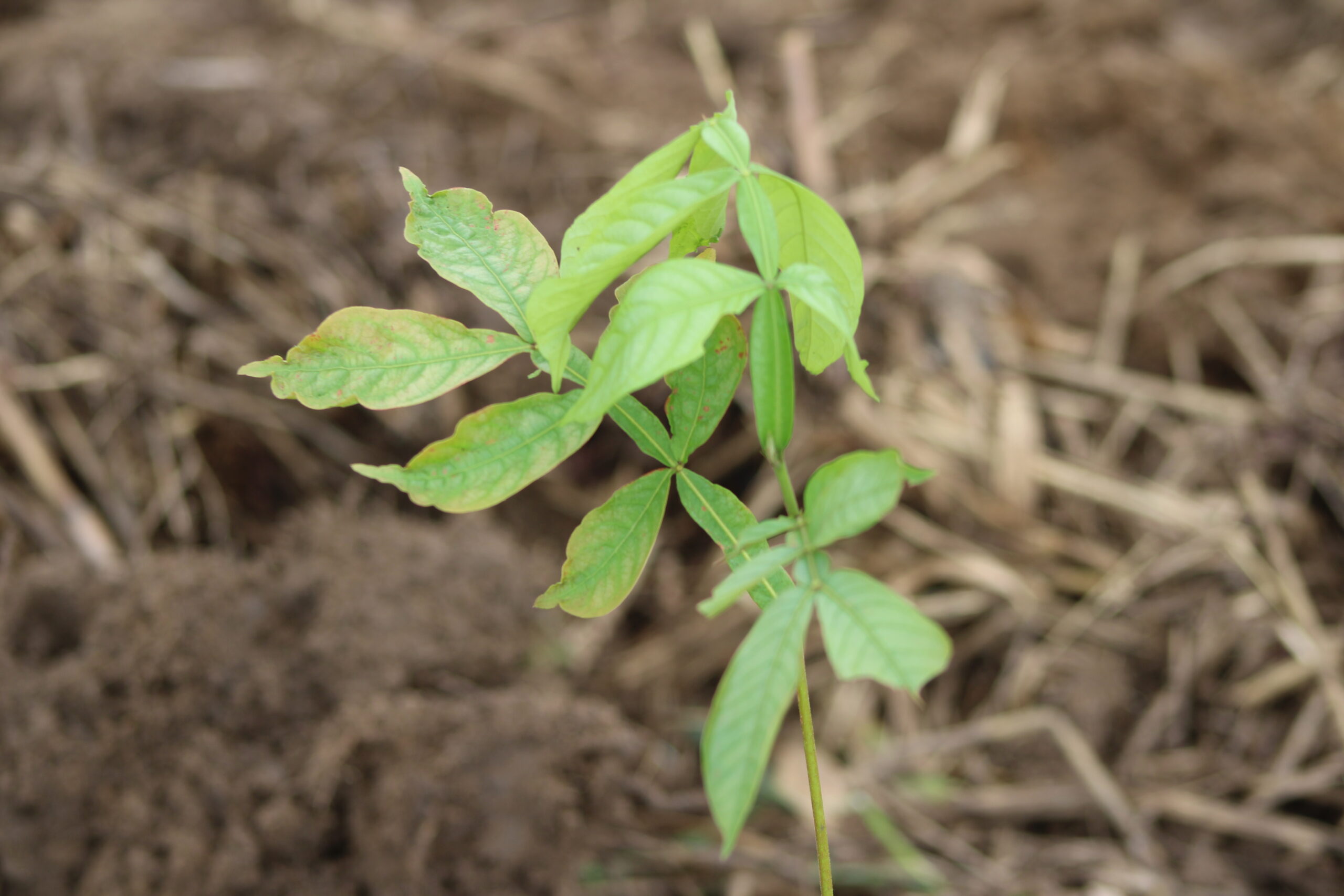
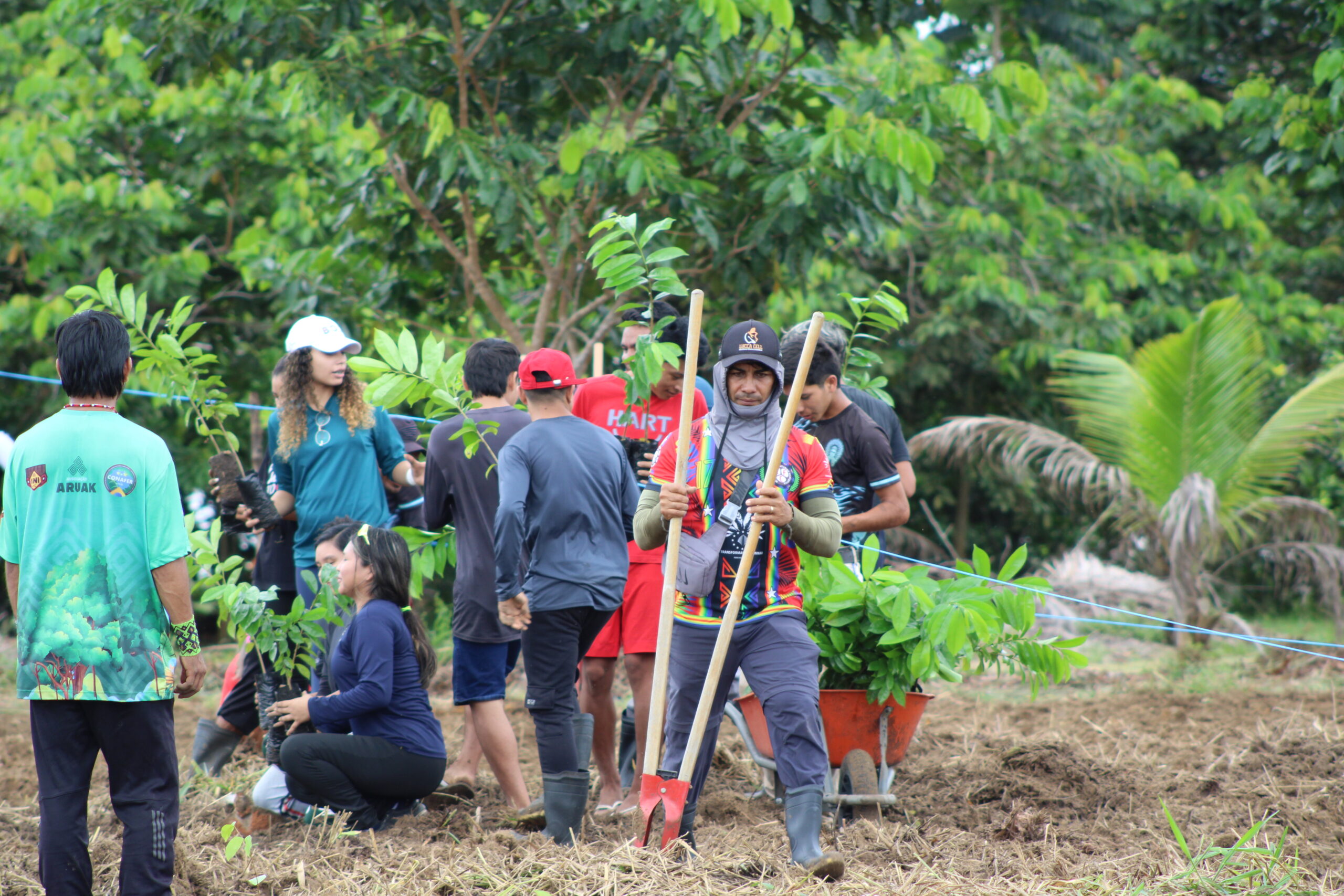
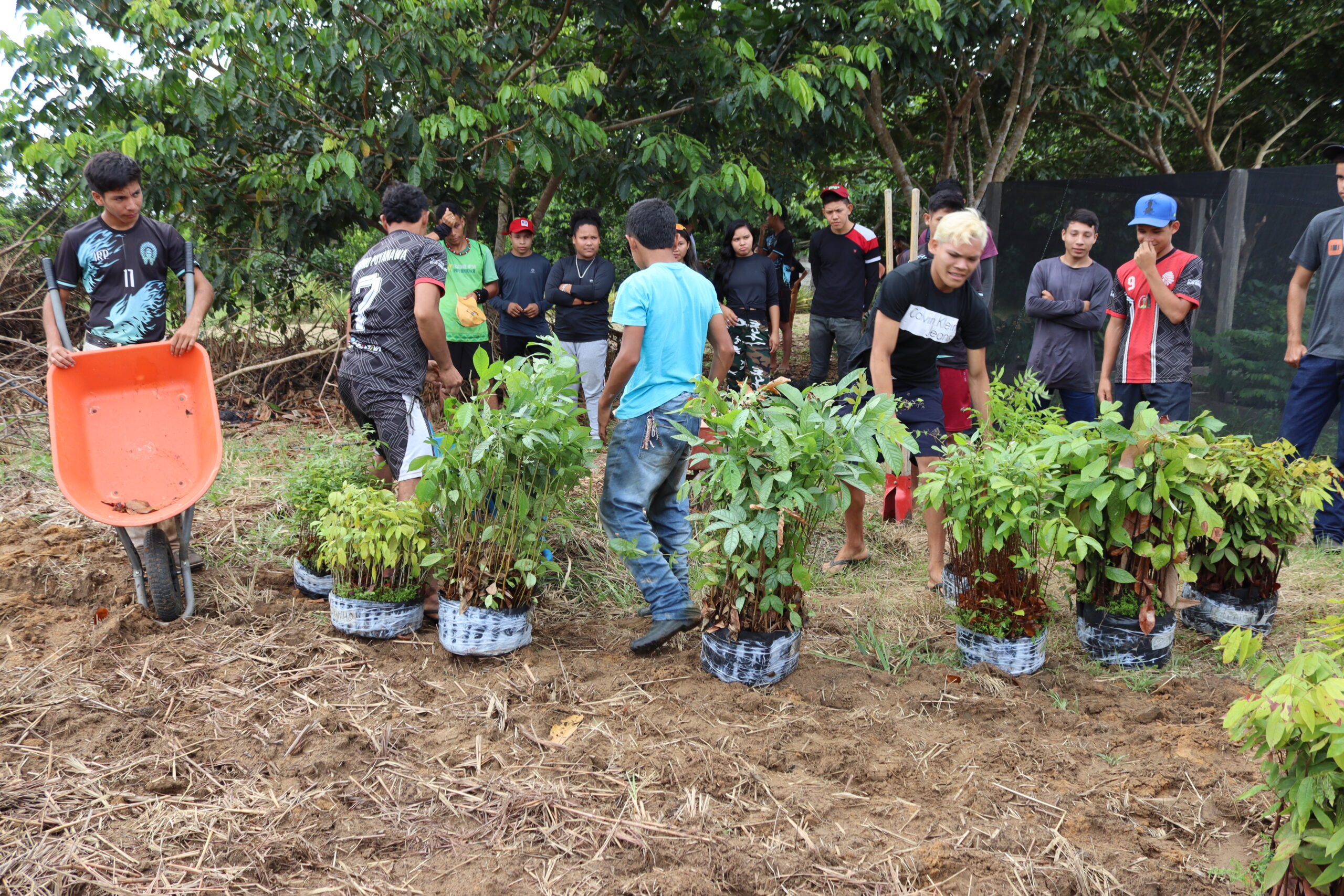
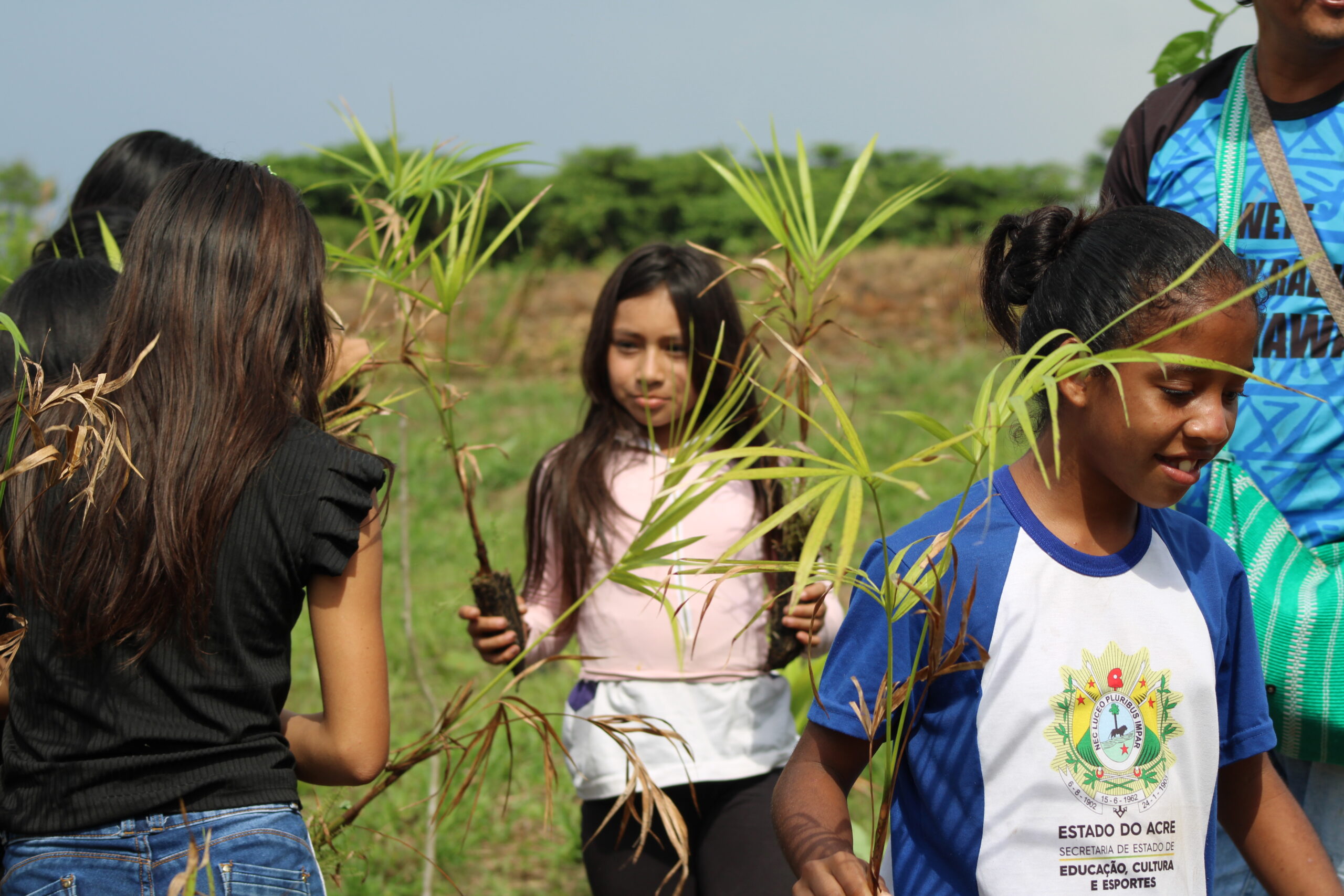
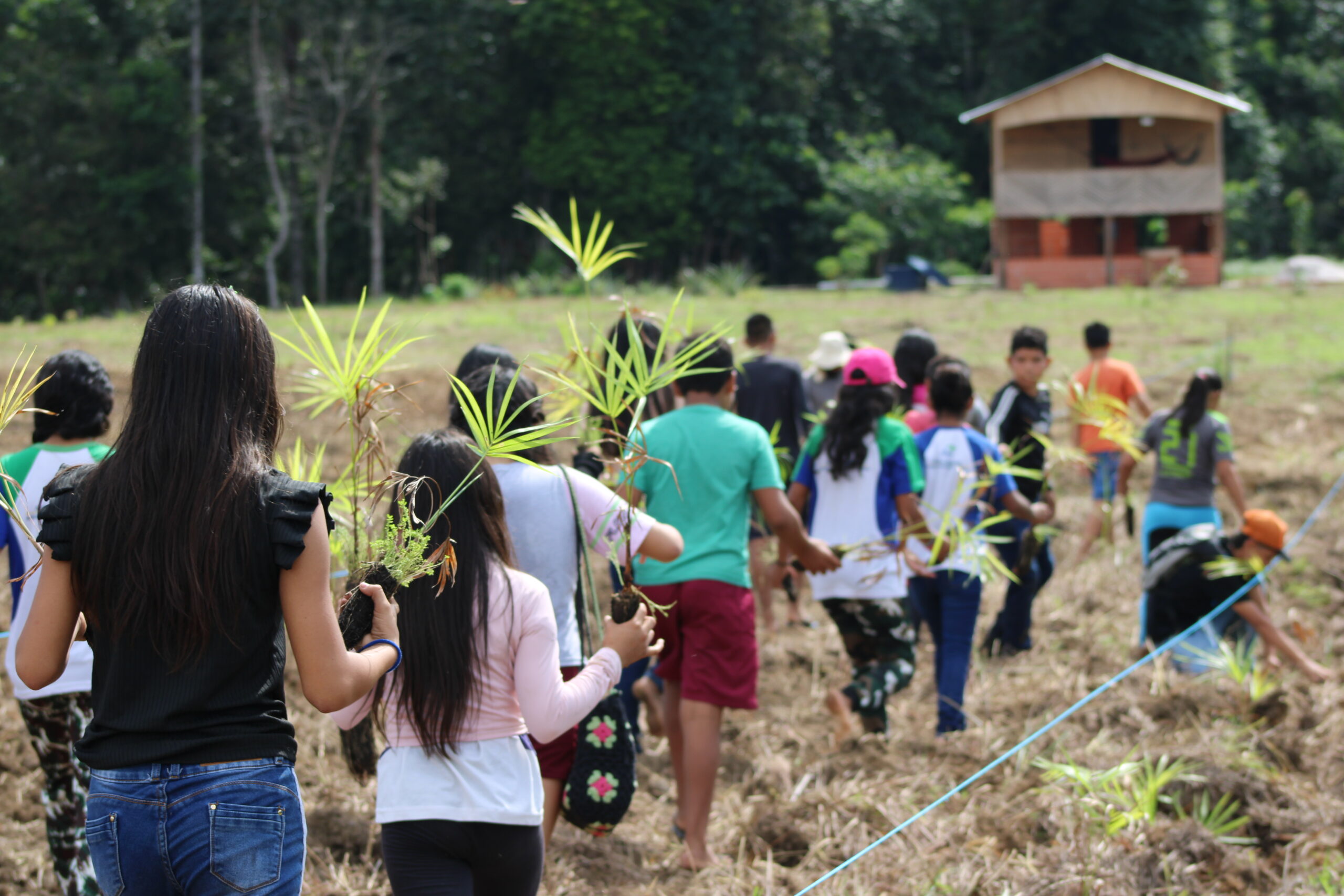
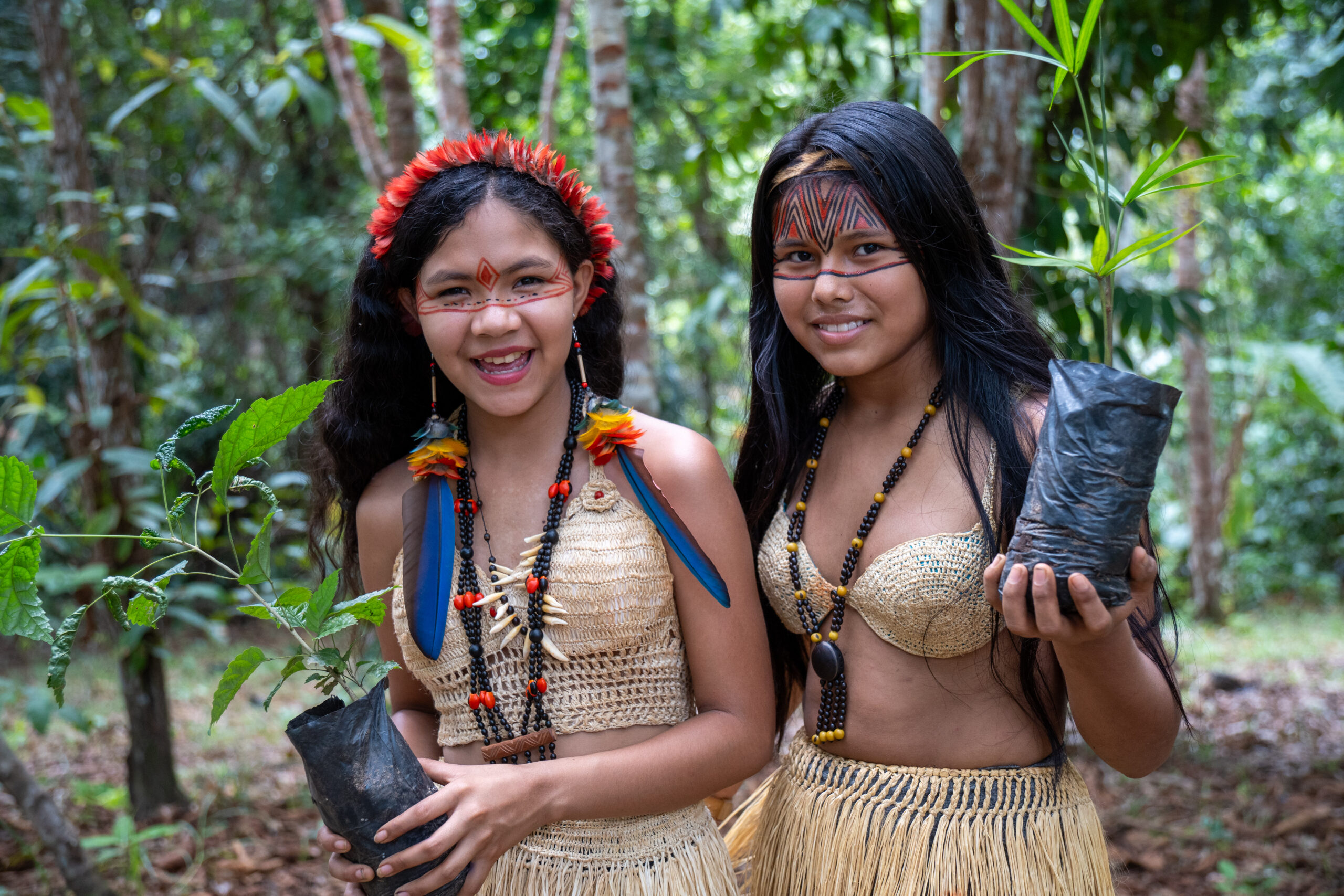
Partnership with the Nukini people, in Recanto Verde Village, for training in the collection and storage of native seeds and agroforestry planting of 5,000 trees, with knowledge exchange among communities that are engaged or wish to engage in the reforestation of their territories.
The Nukini Indigenous Land, in Acre, along the Moa River and adjacent to the Serra do Divisor National Park — one of the areas with the highest biodiversity in the Amazon — is home to more than 1,200 animal species, many of which are endangered. However, this wealth of biodiversity faces constant threats from cattle ranching, logging, drug trafficking, and infrastructure projects.
Amidst such challenges, Recanto Verde Village, led by Xiti Nukini, seeks to serve as a model of sustainability, combining ancestral knowledge with forest regeneration. The community’s desire to reforest its degraded lands through agroforestry has brought Aliança Reflorestar into collaboration with them.
Given the region’s high biodiversity and its priority as a conservation area, supporting the reforestation of Recanto Verde Village is a way to encourage other Nukini families to increasingly value their standing forests and protect their lands, despite numerous external pressures for land exploitation.
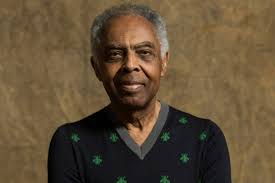
“We must join forces, unite movements — the actions of some reinforce the work of others. Let us all move forward together!”
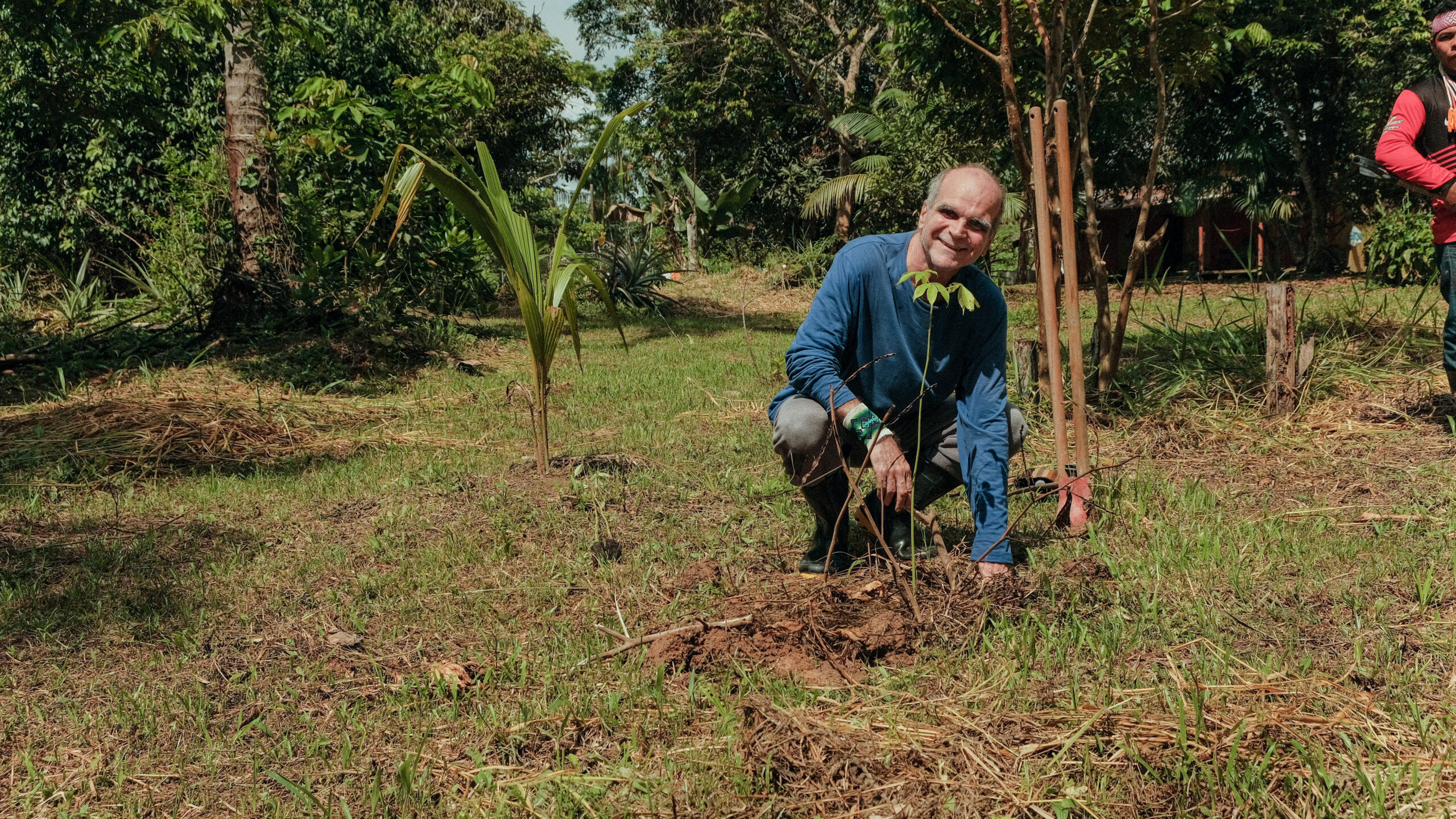
Aliança Reflorestar was born from the dreams and vision of João Augusto Fortes.
A man of generous heart and deep connection with nature, João dedicated his life to cultivating relationships — between people, forests, and positive potential futures.
His presence inspired the first steps of this Alliance, and his memory continues to bloom in every tree planted, every act of care taken, and every encounter that sows hope.
To him, we express our deepest gratitude. We continue to honor his legacy through what moved him most: the regeneration of life on our planet in all its forms.